When you’re comparing estimates from different roofing contractors, it’s hard to ignore a quote that comes in significantly lower than the rest. But what is the true cost of a “cheap roof”? And why can some low-ball bids cost you more in the long run?
On the surface, getting an estimate for less may appear to be a bargain. Why pay more when you can have it done for much cheaper?
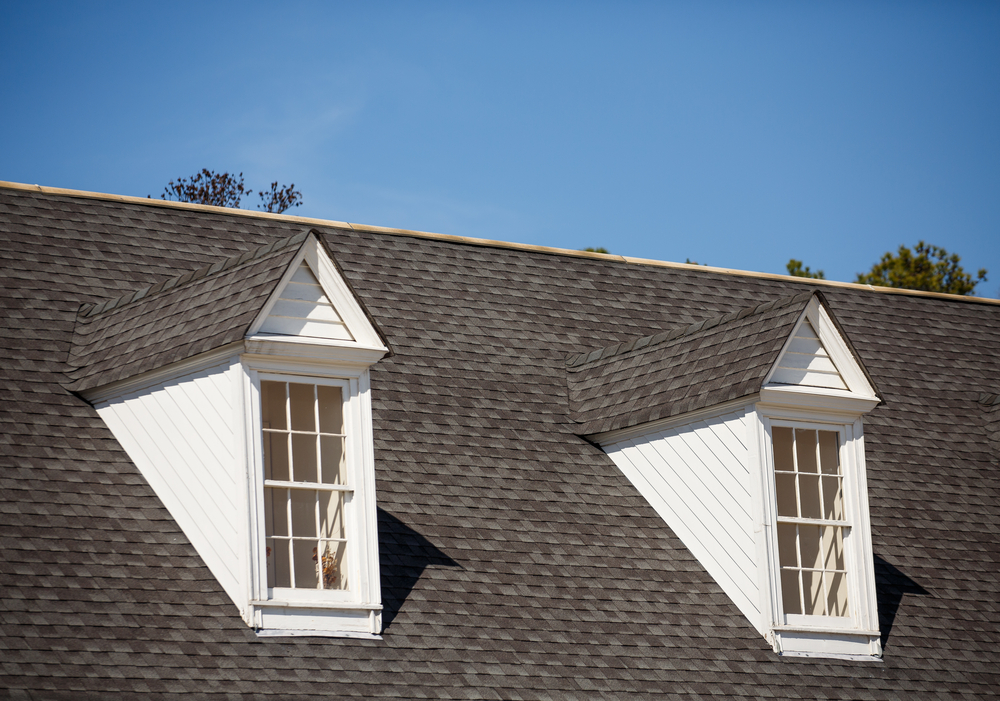
But what many property owners learn later on their own experience, is that a “cheap” roof actually has additional costs, which will show up sometime in the future.
At Topper Roofing, we’ve been called in more than once to fix issues that started with a low bid. And in many cases, the homeowner ends up spending far more than they would have if the job had been done right from the beginning.
Let’s take a closer look at what’s really behind those unusually low estimates.
What Makes a Roofing Estimate “Too Low”?
A low estimate does not always mean a problem, but when the price gap is substantial, there must be some reason behind it.
Roofing is an intricate process, requiring labor, detailed work, safety considerations, and proper installation. There’s a baseline cost to doing the job correctly.
If the price quote goes beyond that minimum, there must be some element missing from the quotation.
Cutting Corners on Materials
There is no faster way to reduce costs than using cheap materials.
On the surface, shingles might appear virtually the same. But differences in composition, thickness, and manufacturer standards can affect how well they perform over time. In fact, low-quality materials will be susceptible to cracking, curling, and even failing during routine weather conditions.
The roofing system is made up of a series of parts that function as a whole, from underlayment and flashing, ventilation, and sealants, all of which have a part in ensuring long-lasting protection. If any of these are downgraded, the entire system becomes more vulnerable. So, what you save from cheap materials can quickly turn into repair costs down the road.
Rushed or Inexperienced Labor
One more factor contributing to the low bid price of an offer is labor. Experienced workers spend enough time ensuring that every part is installed properly and is in compliance with manufacturers’ recommendations, and is properly nailed and fastened to prevent future problems.
With cheaper offers, there is a high chance that the roofing process will take place under rush or pressure, or even using unprofessional and inexperienced labor. Consequently, such an approach will lead to wrong fastening, improperly installed flashing, or overlooking any problems, although at first glance everything might seem alright.
But this way, small details result in roof failure or leaks eventually.
Missing or Incomplete Scope of Work
An estimate that seems to be too good to be true may not necessarily imply that the contractor will do the same job cheaper. What this usually means is that the contractor will do less work.
For instance, the scope of work may leave out critical steps, such as:
- Repairing any damage to the roof deck
- Ventilation problems
- Proper installation of flashing material in areas susceptible to leaks
- Consideration of any necessary repairs found when inspecting the roof
In many cases, these factors are included later on as an “unforeseen expense,” raising the overall cost of the estimate. This is one of the most common reasons homeowners feel blindsided during a roofing project.
Limited (or No) Warranty Protection
There can be great differences in warranties provided by different contractors, with low bids generally providing very little to no warranty protection. Some may provide very little, while others may lack what is necessary to receive manufacturer warranties. In most cases, the installation of the roof will have an effect on this.
This means that you may be responsible for any repairs that may arise from such an incident. Investing a little bit more at the start will provide you with better protection in the long run.
Lack of Proper Insurance and Licensing
This is perhaps the single most crucial factor and the least considered by homeowners.
Unlicensed or uninsured contractors will often charge you less for their services since they aren’t saddled with additional costs like insurance premiums. However, that doesn’t mean the risk goes away; it simply shifts from the contractor to you, the homeowner.
If an accident happens on your property or damage occurs during the project, you could be held financially responsible.
Credentials are not something that you should overlook when choosing the right construction company to work with. Your safety is a top priority. At Topper Roofing, we are a MaterCraft Pro Certified Contractor for Tamko and a Preferred Contractor for Owens Corning.
The Real Cost Shows Up Later
The effects of a poor roofing installation don’t always appear right away.
In fact, many issues caused by poor installation or low-quality materials take time to surface. By the time leaks, mold, and other damage start appearing, the original contractor might not even be around anymore to do anything about it.
At this stage, you will be paying more than just the cost of fixing problems – but the entire cost of undoing faulty construction. That’s where the true cost of a “cheap roof” becomes clear.
How to Evaluate a Roofing Estimate the Right Way
Instead of focusing on the lowest cost, take a closer look at what each estimate covers.
Ask questions like:
- Are the materials clearly specified?
- Has the scope of work been provided?
- What about any possible repairs?
- What kind of warranty comes along with the deal?
- Does the contractor have a license and insurance?
- Who will do the installation job?
All of this information will provide a more accurate estimate of what you’re actually paying for.
Investing in the Right Roof the First Time
A new roof is one of the most important investments you’ll make in your home. It protects everything underneath it, and it’s not something you want to redo sooner than necessary.
At Topper Roofing, we believe homeowners deserve clarity, not confusion, when reviewing estimates. That’s why we take the time to walk through every detail, explain your options, and make sure nothing is overlooked.
If you’re weighing multiple quotes and want a clearer understanding of what sets them apart, you can learn more about our approach. Contact us today.
Because when it comes to roofing, doing it right the first time is almost always the more cost-effective choice.