When a homeowner thinks about their roof, they are typically interested in the shingle types, color, or how old their roof system is. However, many homeowners are unaware of the factor that plays a huge role in the roof’s ability to function properly: roof pitch.
Roof pitch can best be described as the slope or angle of a roof. This factor affects much more than appearance, influencing water drainage, material selection, installation complexity, project costs, and long-term performance.
At Topper Roofing, we believe homeowners make better roofing decisions when they understand the factors that influence performance, durability, and long-term value.
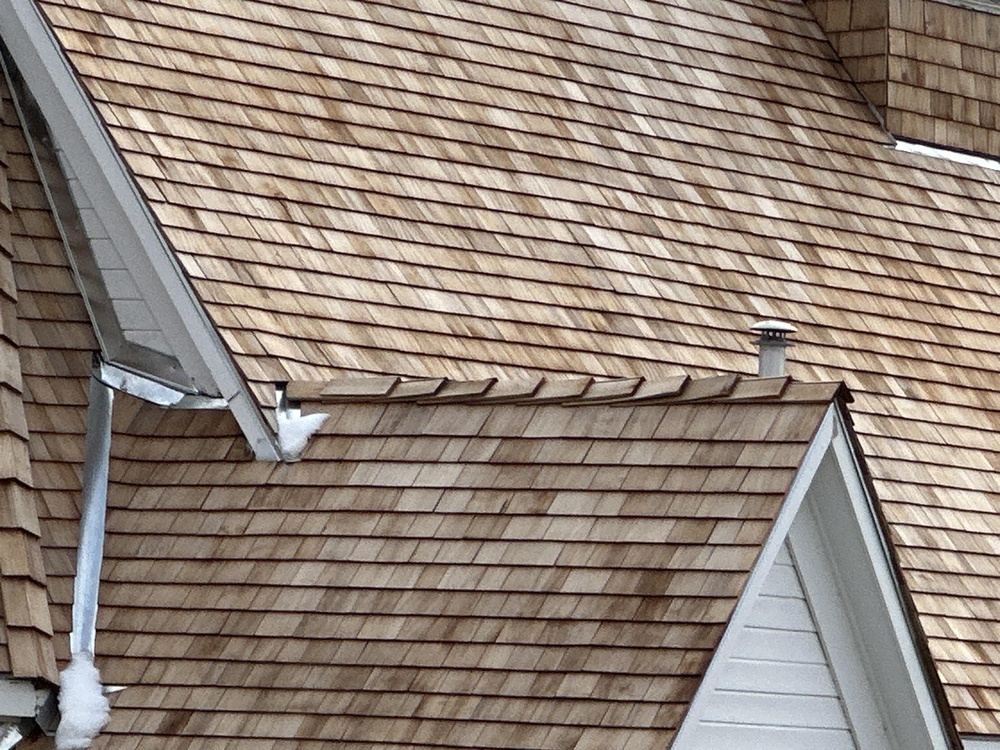
What Is Roof Pitch?
The roof pitch refers to the degree of rise in feet per 12 inches of the roof’s horizontal distance. For instance, a 6/12 pitch is where the roof rises by 6 inches over every 12 inches in the horizontal direction.
There are three kinds of pitched roofs based on the slope:
- Low-Pitched Roofs: These are roofs that are built at an acute angle and are mostly applied in additions and porches, among others. Even though they may be nearly flat, the roofs are slightly angled to ensure effective drainage.
- Medium-Pitched Roofs: These are the most popular pitched roofs for many homeowners because they offer a perfect combination of appearance, drainage, and ease of installation.
- High-Pitched Roofs: These are roofs that look attractive architecturally and drain water and debris efficiently, but make roof installation difficult.
Why Roof Pitch Matters for Water Drainage
Directing water away from your home is one of the most important functions a roof provides, and roof pitch is an important factor in how well it accomplishes this function.
During heavy rain, water tends to flow towards the gutters and spouts. A steeper roof means faster-draining water and less exposure time to moisture. But while low-pitch roofs may not be as efficient when it comes to draining water, they still serve as adequate barriers as long as they are correctly installed and materials are properly chosen.
We’ve seen how even a high-quality roofing material can struggle if it is not matched to the roof’s design. When water does not drain effectively, it can contribute to leaks, premature material deterioration, and other moisture-related concerns. This is one reason roofing professionals evaluate roof pitch carefully during roof inspections and when recommending roofing systems.
How Roof Pitch Influences Roofing Material Options
Not all roofing materials are ideal for different roof pitches. Certain roofing materials’ effectiveness depends on the roof’s pitch.
Roofing materials such as asphalt and architectural shingles have gained popularity in our roofing services for their effectiveness and durability. Metal roofs are also highly efficient for most roof pitches.
Lower-slope roofs often require specialized roofing systems designed to provide additional waterproof protection where water drains more slowly.
Choosing roofing material does not solely depend on aesthetics. Because different roof pitches have different performance requirements, roof pitch is one of the key factors contractors consider when recommending materials that can deliver reliable, long-term performance.
Why Roof Pitch Affects Roofing Costs
Many people who are comparing roofing quotes will be concentrating on the number of square feet and materials used for the roof. But there is another factor to consider when it comes to roof cost: the roof’s pitch.
Steep roofs will often need special safety equipment, extra slow installations, and more complicated material handling. Workers will have to be very careful when installing roofs with steep pitches, making the process longer and more difficult.
So two houses with similarly sized roofs may end up having different costs for the roof due to their differing pitches. Roof pitch is just one of several factors that influence the complexity and cost of a roofing project.
Roof Pitch and Long-Term Performance
Many homeowners are quick to believe that the steeper the roof, the better its performance will be. While roof pitch does have an effect, there are other factors involved.
Steep roofs may shed water more efficiently, but long-term performance also depends on material quality, ventilation, installation, and ongoing maintenance.
A high-pitched roof will help in keeping moisture off the structure, but this cannot outweigh the negative effects of improper installation or incorrect materials used. The same is true when dealing with flat roofs; if installed properly, a flat roof can be just as reliable as any other.
The most effective roofing solutions are those tailored to fit the needs of the particular house and its structure.
Why Professional Installation Matters Regardless of Roof Pitch
Each roof pitch has its own installation requirements. For example, low-slope roofs might need different waterproofing details compared to steep-slope roofs, which require additional safety considerations and methods of installation
Flashing, correct positioning of the underlayment, ventilation, and proper matching of materials all play important roles in roof performance and function. Because there are so many variables related to roof performance affected by pitch, it’s crucial to install your roof properly based on its pitch requirements.
A professional roofer knows how to consider roof pitch when selecting materials and installing the roof, thus eliminating potential issues in the future. Working with a trusted roofing company in Maryland can help ensure your roofing system is installed according to its specific design requirements.
Common Misconceptions About Roof Pitch
Here are some of the most common misconceptions that people make regarding roof pitch.
A Steeper Roof Always Lasts Longer: This is not always the case. Although higher slope roofs will drain water more easily, their longevity depends on other factors as well, including materials used, correct installation process, ventilation, and maintenance practices.
Roof Size Is the Only Factor That Affects Cost: Roof size is important, but pitch, material selection, accessibility, and installation complexity can also influence the overall cost of a roofing project.
Understanding the Role Roof Pitch Plays in Roof Performance
At first glance, roof pitch might seem like just another element of roof design. In reality, it affects everything from drainage and material selection to installation complexity, project costs, and long-term performance.
If you are considering a roof repair, replacement, or inspection, understanding your roof’s pitch can help you better evaluate material recommendations, project costs, and expected performance.
Homeowners do not necessarily have to become roofing specialists, but knowing some information on this topic may help them make more informed decisions concerning the protection of their houses from adverse weather conditions.
If you have any concerns regarding your roof’s performance, materials, or general condition, please feel free to contact us. As a reliable roofing company in Frederick, MD, Topper Roofing is committed to helping homeowners make informed decisions and protecting their homes with quality roofing solutions built for long-term performance.