After a storm passes, many homeowners are left asking the same question: Should I call a roofer or wait it out?
Not all storms leave visible damage, but not all roof problems are obvious either. What looks minor could turn into a costly repair later if left unchecked.
The challenge is knowing what signs to look for and when action is necessary.
At Topper Roofing, we want to help homeowners understand what to check after a storm, what warning signs to watch for, and when it is time to call a roofing professional.
Start With Safety
Before checking your roof for any potential damage, we suggest you start with what you can safely examine.
After a storm, your property might remain dangerous to walk around in due to slippery spots, branches on the ground, debris, and even power lines. We strongly advise against climbing onto your roof, even if you suspect there’s some kind of damage. Storm inspections are safest when handled by professionals.
Instead, we recommend walking around your home and doing a visual inspection from the ground.
Signs You Should Call a Roofer Right Away
Some storm damage needs immediate attention. The following signs indicate that a roofer should be contacted as soon as possible.
Active Leaks or Water Inside Your Home
If water is getting into your home, do not wait.
Watch for:
- Water dripping from the ceiling
- New stains on ceilings or walls
- Wet attic insulation
- Moisture around vents or skylights
A small leak can become much worse, particularly if it is going to rain soon.
Missing Shingles or Exposed Roof Areas
Strong winds can loosen or tear shingles off your roof.
Signs include:
- Bare areas on the roof
- Missing shingles
- Roofing materials on the ground
- Exposure of the roof’s underlayment
Once your roof area becomes exposed, even light rain can lead to water damage.
Tree or Branch Impact
If a tree or a large branch hits your roof, schedule an inspection.
Impact damage may not be visible at first, but may result in cracks in the shingles or damage to the roof decking or structure underneath.
Sagging Areas
Any sign of a sagging roof line should be taken very seriously.
This might mean that there is trapped water, a weakened structure, or damage under the roof structure.
Hail Damage
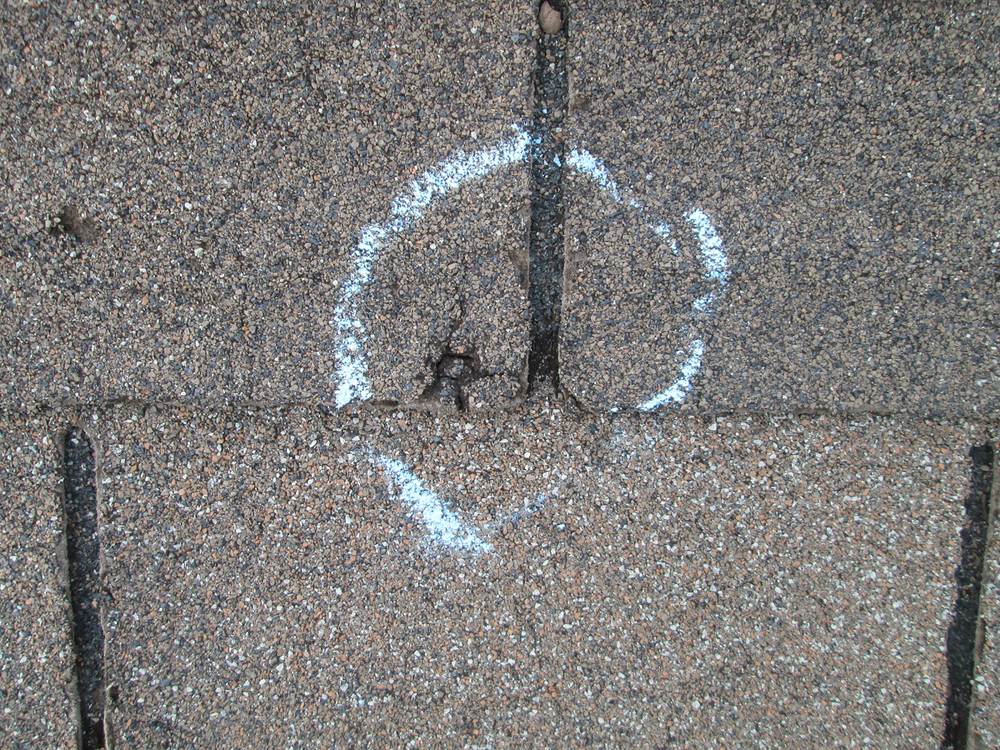
Hail damage is not always easy to spot, but it can reduce the lifespan of your roof.
Some signs might be:
- Dents in gutters/downspouts
- Granules around the downspout area
- Bruised or cracked shingles
In case of hail in the storm, your roof may need an inspection.
When It Might Be Okay to Wait
Not all storms necessarily require an immediate roofing repair.
In certain instances, we have found that it might actually make sense to wait on the matter for a couple of days, provided that:
- No leaks are visible
- No shingles seem to be missing
- No debris has hit the roof
- The attic is dry
- Gutters and flashing seem fine
It’s not about neglecting the problem but keeping an eye on it.
What to Watch for Over the Next Few Days
Certain roofing problems might take some time before they become obvious. The problem might be more evident after the next rain or when the moisture reaches those weak spots.
Look out for the following:
- Stains on the ceiling
- Moldy smell in attic areas
- Granules in the gutter
- Loosely attached flashings
- Lifting or curling shingles
- Spots around the windows or walls of the house
Small warning signs always indicate a big problem lying beneath them.
How to Document Roof Damage
In case your roof has been damaged by a storm, we encourage you to document everything immediately. This can come in handy while getting a professional inspection done and might also prove to be helpful for filing an insurance claim.
Take photos of:
- Your roof from multiple angles
- Fallen branches or debris
- Missing shingles
- Interior leaks or water stains
- Damaged gutters, flashing, or siding
It also helps to note:
- The date of the storm
- Weather conditions
- When you noticed the damage
- Any changes over time
Good documentation makes it easier to explain what happened and when.
Why Acting Early Matters
Perhaps one of the most frequent things that homeowners tell us is, “We didn’t think much of it at first.”
This is precisely where storm damage begins. A shingle comes loose. Flashing gets displaced. There is some sort of leakage occurring in a section of your roof that you never really see.
Early detection usually leads to less complicated solutions and fewer expenses.
A Roof Inspection Can Give You Answers
A professional roof inspection will help you know if your roof is in good condition, needs some fixing, or requires urgent work to be done.
As reliable roofers in Pennsylvania, we know how fast damage caused by storms can grow into something serious if ignored. At Topper Roofing, we provide honest inspections and practical recommendations tailored to your home’s actual needs.
If you have concerns after a storm, contact us today to schedule a professional roof inspection.