Pennsylvania summers can be unpredictable. A calm, humid afternoon can quickly shift into strong winds, heavy downpours, lightning, and fast-moving storm systems that place sudden stress on roofing materials.
At Topper Roofing, we often see homeowners focus on winter as the most damaging season for a roof. While snow and ice certainly create problems, Pennsylvania’s summer storm cycle can be just as demanding in a different way.
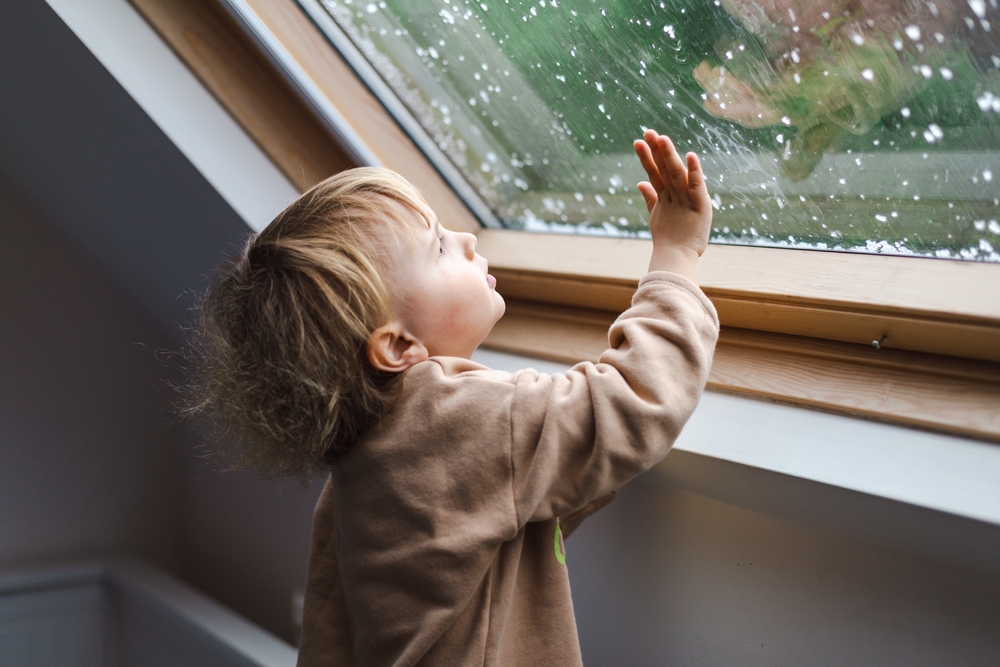
The combination of moisture-heavy air, repeated thunderstorms, temperature swings, and back-to-back rain events creates conditions that gradually wear down roofing systems throughout the season.
Pennsylvania Storms Tend to Arrive Fast and Repeatedly
One thing that makes Pennsylvania summers unique is how frequently weather conditions shift within a short period of time.
Many storms build quickly during hot and humid afternoons, especially after stretches of high heat. Instead of dealing with one isolated storm, homeowners often experience repeated rounds of rain and wind over several weeks.
We regularly see roofing systems struggle more when they are exposed to repeated moisture cycles without enough time to fully dry out between storms.
This matters because roofing materials are constantly expanding during daytime heat and cooling again overnight, creating the kind of seasonal weather stress that gradually affects roofing systems over time. When those temperature swings combine with repeated moisture exposure, shingles, flashing, and sealants begin aging faster.
Humidity Creates Problems Homeowners Usually Cannot See
One of the most overlooked parts of Pennsylvania’s summer weather is humidity.
After storms pass through, moisture often remains trapped in the air for days. We commonly find roofs staying damp longer than homeowners realize, particularly in shaded areas or sections with reduced airflow.
Over time, prolonged moisture exposure can affect:
- shingle performance
- roof decking
- flashing systems
- attic ventilation
- sealants around penetrations
In some situations, the roof itself may appear fine from the ground while moisture-related deterioration slowly develops beneath the surface.
Pennsylvania’s Tree Coverage Can Add More Roofing Stress
Across many parts of Pennsylvania, mature tree coverage is one of the biggest environmental factors affecting roofs during the summer.
Trees provide shade, but they also create conditions that may increase moisture retention after storms. Branches can hold rainwater above the roofline while leaves and debris collect in valleys and gutters.
We often find that heavily shaded sections of roofs dry much slower following humid weather and heavy rain.
During summer storms, falling limbs and storm debris can also loosen shingles, damage flashing, or clog drainage systems even when major structural damage is not visible right away.
Heavy Rainfall Tests Weak Areas Quickly
Pennsylvania storms often bring intense rainfall over short periods of time. Small roofing issues that may go unnoticed during light rain often become more serious during summer downpours.
We frequently see heavy rain expose:
- lifted shingles
- aging pipe boots
- loose flashing
- weak roof valleys
- clogged gutters
- worn sealants around vents and chimneys
Once water works beneath roofing materials, it can travel farther than many homeowners expect before signs appear indoors.
That delay is one reason some forms of storm-related roof damage go unnoticed until much later in the season.
Wind Damage Is Sometimes Subtle
When homeowners think about storm damage, they often picture missing shingles scattered across the yard. In reality, some forms of hidden roof damage after summer storms are much harder to spot than homeowners expect.
Strong wind gusts can partially lift shingles without tearing them away completely. We regularly inspect roofs where shingles remain in place but have lost their protective seal due to repeated storm exposure.
Once that seal breaks, future storms create a much greater risk of water intrusion.
Wind-driven rain can also force moisture into areas that normally stay protected during lighter weather conditions.
Summer Heat Continues the Wear Between Storms
Even when storms are not moving through the area, Pennsylvania roofs continue dealing with seasonal stress.
Direct sunlight and high roof temperatures gradually dry out roofing materials over time. Asphalt shingles naturally become more brittle as they age, especially after years of repeated heat and moisture cycles.
Dark roofing materials often absorb even more heat during peak summer afternoons, increasing thermal movement across the roof.
Over the years, we have seen how Pennsylvania’s combination of heat, humidity, rainfall, and storm activity steadily wears down roofing systems over time
Why Summer Roof Problems Often Get Worse by Fall
One challenge with summer roof damage is that many issues initially appear minor.
A slightly lifted shingle, loose flashing, or small leak may not seem urgent during dry weather. However, once Pennsylvania transitions into fall rainstorms and winter freeze-thaw cycles, those smaller weaknesses often become larger roofing problems.
Moisture that enters during the summer can also remain trapped beneath roofing materials long after storms pass.
As a trusted roofing company serving Pennsylvania homeowners, we at Topper Roofing have seen how addressing smaller summer roofing concerns early often helps prevent more extensive repairs later in the year.
If your roof has been through multiple summer storms, scheduling a professional inspection before fall arrives can help identify hidden problem areas. Contact us before seasonal weather conditions become more severe.