What happens to your roof during a Maryland storm?
A strong storm comes through, and the next morning, you look out and see some of your shingles in the yard, or parts of your roof looking off.
This is something we at Topper Roofing see a lot of in Maryland, especially after a strong storm has blown through with high winds. And one of the things that becomes very apparent right away is that not all roofs handle wind in quite the same way.
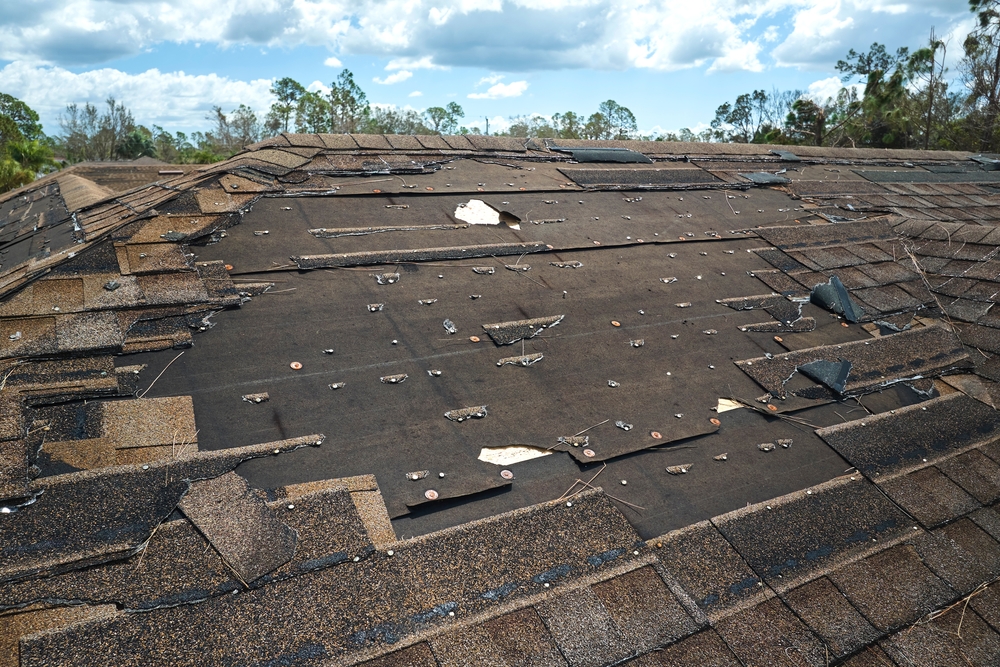
In many cases, the difference comes down to how well the roofing materials and the system as a whole, can hold up under pressure.
What Wind Ratings Actually Mean for Your Roof
Wind ratings are meant to tell you how much wind a roofing material is designed to handle. Most standard asphalt shingles are designed to withstand winds of 110-130 mph, while more advanced roofing materials are designed to withstand much higher wind speeds. But for most homeowners, these figures don’t mean much of anything until something goes wrong.
Lower wind ratings are more likely to lift, while higher-rated shingles are designed to stay in place.
What matters most is how wind impacts your roofing material. If wind gets under your roofing material, it will break the seal that holds everything down. From there, it doesn’t take much for your roofing material to become dislodged.
Having a higher wind rating helps you avoid all of this, provided everything else on your roof is working as it should; then the rating itself is just one part of the equation.
How Wind Actually Damages a Roof
Wind doesn’t blow steadily over your roof in just one direction. It has an unpredictable movement, and it changes direction and creates pressure on some areas of your roof while at the same time creating an upward pull on others.
It is this upward pull of wind, also known as uplift, which causes damage to your roof. This is what works its way under your roof and causes damage by loosening the seal on your roof.
We mostly notice the first signs of roof damage on the edges and corners of the roof. These are the areas where wind pressure is most intense. If the roof is not tightly sealed and has started to wear down over time, this is where you will notice it first.
Where We Typically See Wind Damage on Maryland Roofs
After a storm has passed, we often see the areas of the roof where the damage is first apparent.
- Edges and Eaves – These areas are hit the hardest by the force of the wind
- Ridge Lines – The top of the roof is where the wind is traveling the fastest
- Flashing Areas – Around the chimney, vents, etc., where the materials meet
Older roofs or previous repairs, if not made with consideration of the wind, can be weak points during storms.
How Roofing Materials Are Tested for Wind Resistance
Roofing materials go through testing to assess their ability to withstand wind pressure, their ability to resist being lifted, and their seals’ strength. These tests are conducted to measure how tightly the shingles are held down and how strong their seals are, among other things.
However, it is essential to understand what these tests do not account for. They’re done in controlled conditions and don’t reflect years of wear.
So while a wind rating is a useful guideline, it is not a measure of its ability to withstand wind in the real world. Real-world conditions are always tougher.
Choosing the Right Roofing Materials for Maryland Weather
If you are considering getting a new roof, or if you want to plan ahead, our team at Topper Roofing can help you understand what really makes a difference for wind performance.
Not All Shingles Perform the Same
3-tab shingles, for instance, weigh less and will more easily be lifted by high winds. Architectural shingles, on the other hand, weigh more and have a stronger profile, making them more likely to stay in place even when the winds get rough.
What Wind Rating Should You Look For?
When you live in Maryland, you’ll find that a medium to high rating can be a good option. This is because storms in the area can come in quickly, and you’ll need to make sure you’re getting the right rating for your home.If you live in an area where storms are worse, you may want to go a step above.
It is not necessarily about finding a product with the highest wind rating, but finding one that suits your home and environment best. This is because roofing systems are designed specifically for wind speeds, and so it is about finding a product that meets those requirements.
Material Choice Matters
Asphalt shingles are by far the most common choice, but some homeowners consider metal roofing for added durability. Materials vary in how they handle wind, and it is important to consider this.
Think Beyond the Upfront Cost
Materials handle wind differently, and higher-performing products may save on repairs over time.
Why Installation Matters Just as Much as the Material
No matter what kind of material you have, it is not going to work the way it is supposed to if it is not installed correctly.
We here at Topper Roofing have witnessed perfectly rated shingles fail because they have not been nailed or sealed the right way.
Details matter here:
- Proper nail placement
- Correct sealing alignment
- Secure flashing installation
All of this comes into play when it comes to how well your roof will hold up in the wind. It is not just about how well your roof resists wind; it is how well everything is put together.
Is Your Roof Ready for the Next Storm?
You do not always need a major problem to realize that something is not right. There are a few telltale signs that could mean that your roof may not be as secure as you think:
- Shingles that are curling up or lifting
- Areas of the roof where the granules are flaking away
- Previous repairs that look old and uneven
- Areas of the roof that no longer lie flat
If you’re noticing any of these, then you may want to get your roof checked out before the storms start again. Catching small issues early can prevent more serious damage later.
Make a Smarter Choice Before the Next Storm Hits
While wind ratings provide a good starting point, they are only part of the overall picture.
The types of material you use, how they are applied, and the current state of your roof all factor into how secure you are.
If you are not sure how your roof would fare in high winds, having it assessed will provide you with a better understanding of what is at stake and help you make the right choice before the next storm arrives. Contact us today and let Topper Roofing assess your roofing system and provide you with wind protection options, and help you make a better choice.