Can you really replace a roof in the winter, or is this one of those things that just sounds like it’s a bad idea?
Many homeowners assume roofing season ends when temperatures drop. But roofs don’t follow the calendar, and neither do leaks, missing shingles, or storm damage. The reality of winter roofing is a little more nuanced than the myths that tend to circulate this time of year and why you should rely on Topper as your trusted roofing contractor.
Let’s take a closer look at what’s true, what’s not, and how to tell what makes sense for your home.
Myth #1: Roofs Can’t Be Replaced in Winter
This is one of the most common assumptions, and it’s not entirely correct.
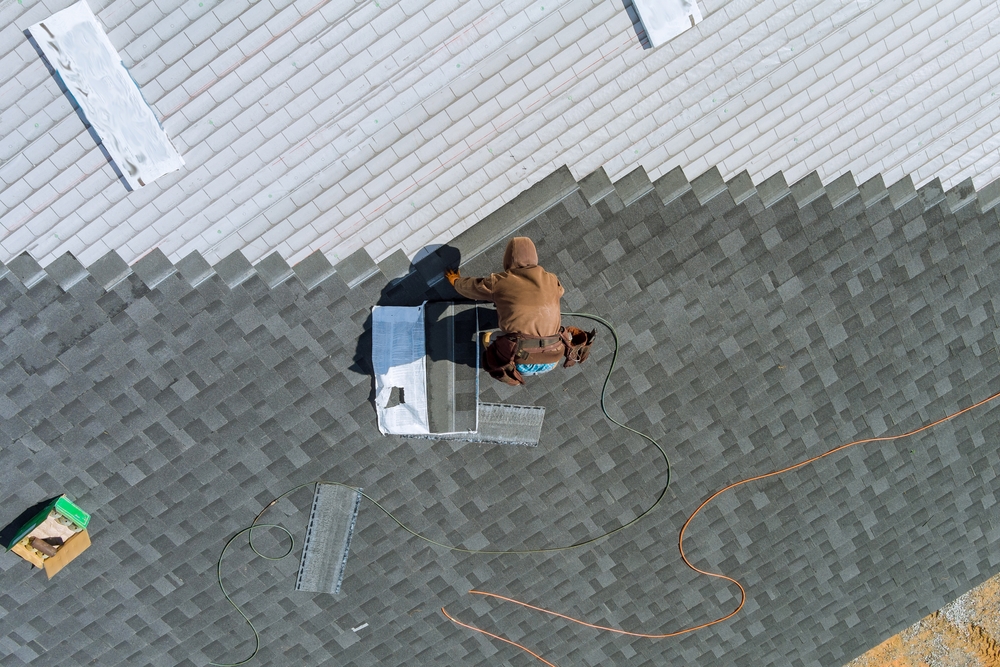
Roof replacement can be done during winter, provided conditions are right. Although it may be postponed due to extreme cold, ice, or snow, most winter days are suitable for roof installation. Roofing materials are made to withstand the seasons, and the manufacturers take into consideration the lower temperatures when creating guidelines for roof installation.
The most important thing is not the season, but the weather on the day of installation and whether the installation team adheres to the manufacturer’s instructions for installing in cold weather.
Myth #2: Cold Weather Automatically Damages Shingles
Cold weather does not damage shingles, but it affects how they should be handled.
Asphalt shingles may be less pliable in colder temperatures, so it is important to store them properly and install them correctly. Roofers know how to handle the material so that it is not damaged or strained during the installation process. It may take longer to seal in colder temperatures, but the shingles are meant to seal once it warms up.
According to Owens Corning, winter installations can be done if the materials are handled properly and installed as per the specifications, which will ensure that the materials perform well once the temperatures are stabilized for the season.
Myth #3: A Winter Roof Won’t Last as Long
A roof installed during winter can perform just as well as one installed in warmer months, when it’s done right.
Experienced roofing crews adjust their approach based on temperature, daylight, and weather patterns. They understand when conditions are safe to proceed and when it’s better to pause. This attention to detail is far more important than the time of year the roof is installed.
As indicated by GAF, proper installation practices, not the season, are what ultimately determine roof performance and lifespan.
Myth #4: Snow Means Roofing Work Has to Stop
Snow may not always stop a project, but safety always comes first.
Light snow or dry conditions during winter may still permit roof installations to proceed. That said, icy conditions, heavy snowfall, or strong winds may compromise the process of installing roofing materials. Responsible contractors won’t compromise safety for installing roofs in such conditions to meet their schedules.
Winter roof installation requires flexibility, monitoring of weather forecasts, and optimal selection of working days rather than adhering to an inflexible timeline.
When Winter Roof Replacement Makes Sense
There are situations where waiting until spring can do more harm than good.
If it is an active leak, a missing roof, or damage from a storm, it can result in water damage, insulation issues, or mold growth. In such a situation, addressing the roof sooner can prevent much larger and more costly repairs later.
Winter can also offer better contractor availability, which means quicker scheduling and more focused attention on your project.
When It’s Better to Wait
Not all roofs have to be replaced during winter.
If your roof has been around for some years but is in stable condition and you receive harsh weather every year, perhaps a planned approach for a better season might be a better alternative for you. Roofing seasonality shows that spring and fall often provide the most consistent conditions for full replacements, especially when weather stability is a priority.
A professional assessment may also help in determining whether winter work is required or if it is best to schedule another time during the year.
What Matters More Than the Season
Roof replacement isn’t about when to replace it; it’s about the conditions, materials, and experience.
A trusted local contractor understands how winter weather affects roofing systems and knows how to work within those limits responsibly. From evaluating the state of your roofing to selecting the proper time for such repairs, it all boils down to proper advice that makes all the difference.
At Topper Roofing, homeowners are given honest answers and realistic options, whether that means addressing an urgent issue now or planning a replacement when conditions improve. If you’d like to learn more about our approach, contact us for additional roofing resources and homeowner guidance.