If your roof is not leaking, it’s easy to assume everything’s fine, especially during winter, when climbing on a ladder seems to be the last thing on anyone’s to-do list. But in Maryland, winter has a way of quietly testing your roof long before water ever shows up on the ceiling.
We often hear, “There’s no leak, so we should be okay… right?” That is not always the case. It’s just the reality of how roofs behave during the cold, unpredictable weather.
Maryland Winters Are Harder on Roofs Than They Look
Maryland winters tend to be unpredictable. There will be freezing temperatures one week. The following week will see rainfall. This will be abruptly followed by a temperate increase. This freeze/thaw phenomenon creates roofing conditions not easily noticeable for the homeowner.
Siding can start to come loose, flashing can separate, and small holes can develop around vents and chimneys. These are not the kinds of things that alert the homeowner to the condition of the roof, but rather present opportunity after the snow melts and the rain pours. Experts claim that most roofs are leaking before anyone realizes there is ever any interior water damage.
No Leak Doesn’t Mean No Problem
One of the most common misconceptions we encounter is that leaks appear immediately after damage happens. In reality, water often travels slowly, working its way beneath shingles, into decking, and along framing before it ever reaches drywall.
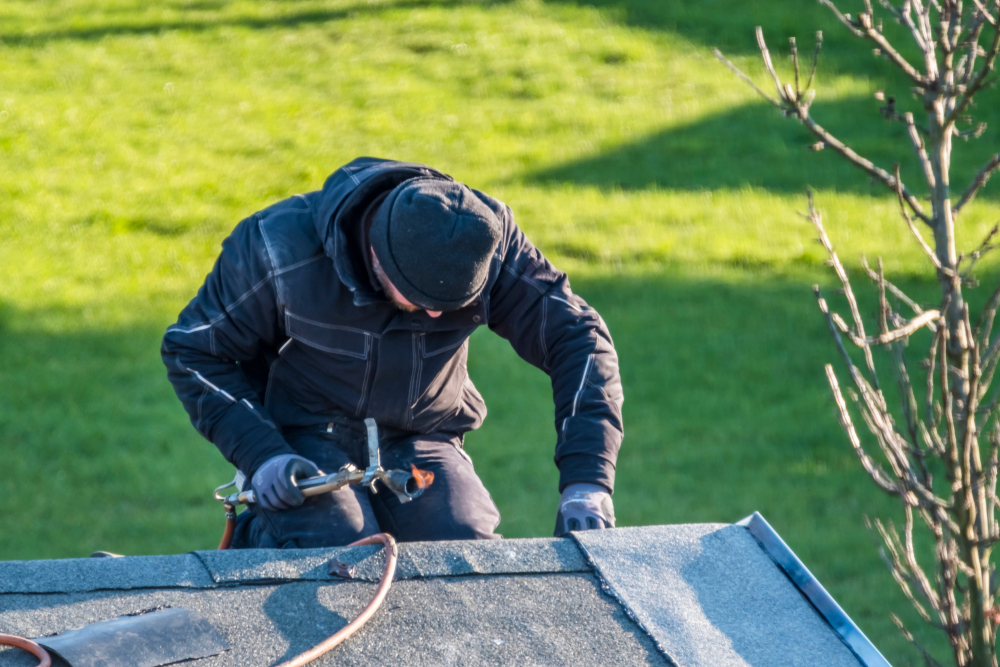
Professional roof inspectors receive training on recognizing signs that homeowners might not think to inspect on their own. Winter roof inspections examine areas that might fail silently with time as opposed to areas with visible damage. This includes areas around roof penetrations with high potential for accumulation of ice or debris, roof details such as flashing and seams, or roof penetrations with high potential for sealing failures.
Winter Damage Often Starts Small
Cold weather can make roofing materials more brittle. Add some wind, snow, or ice, and even minor issues can worsen quickly. For example, the development of ice dams doesn’t always result in immediate leaks. Instead, they can force water under shingles and into the roof system as they refreeze and thaw.
Regular roof maintenance and inspection can help reduce the risk of sudden failures during stormy seasons when such failures are least welcome. A little preventive check often makes the difference between a simple fix and a major repair come springtime.
What a Winter Roof Inspection Can Actually Do
A winter roof inspection isn’t about selling you a replacement that you don’t need. It’s about understanding the current condition of your roof and giving you clear, honest information.
A professional during an inspection would:
- Check shingles for lifting, cracking, or loss
- Check flashing around chimneys, vents, and skylights
- Evidence of moisture intrusion or trapped condensation
- Identify areas where snow or debris can accumulate
- Assess the general wear of wind and temperature changes.
This kind of inspection helps homeowners plan in advance, whether that means scheduling a minor repair now or simply keeping an eye on certain areas as seasons change.
Peace of Mind Is Part of the Value
Winter brings enough uncertainty on its own. Knowing that your roof is holding up like it should takes one more thing off of your list of concerns. Even when no issues are found, a clean inspection gives you assurance that your home is protected through the coldest months.
And if you catch something early, you’re in control, and you can address it on your timeline before emergency repairs and unexpected costs enter the picture.
A Practical, Preventive Approach
At Topper Roofing, we believe that informed decisions mean good roof decisions, not forced decisions. Winter roof inspections are simply smart home maintenance, especially when living in Maryland, where the weather can change quickly.
If you’re interested in learning more about how we perform our inspections or what sets us apart from other roofing companies, you can learn more at Topper Roofing. And if you’d like to talk through whether a winter inspection makes sense for your home, our team is always available to help. Just reach out through our contact page.
Sometimes the best time to check your roof is before it gives you a reason to worry.