Roof repair often becomes an unexpected priority when a storm hits or a tree falls and one of those “I didn’t plan for this” moments. It can be overwhelming, and to be honest, most homeowners have no idea what their insurance will actually cover. That’s completely normal.
So what’s the good news? Most policies do cover certain kinds of sudden roof damage. The not-so-great part is that insurance doesn’t cover everything, and the rules can sometimes feel a little unclear. Our goal at Topper Roofing is to help you get a clear understanding of what insurance can and cannot do, and how you can move forward with confidence.
When Insurance Usually Covers Roof Repairs
Most homeowners insurance policies are designed to cover sudden, accidental damage. Maryland’s official post-disaster guidelines explain that insurers typically look for events that were unexpected and weather-related, and not issues that happen slowly over time.
Familiar examples where coverage typically arises include the following:
1. Storm Damage
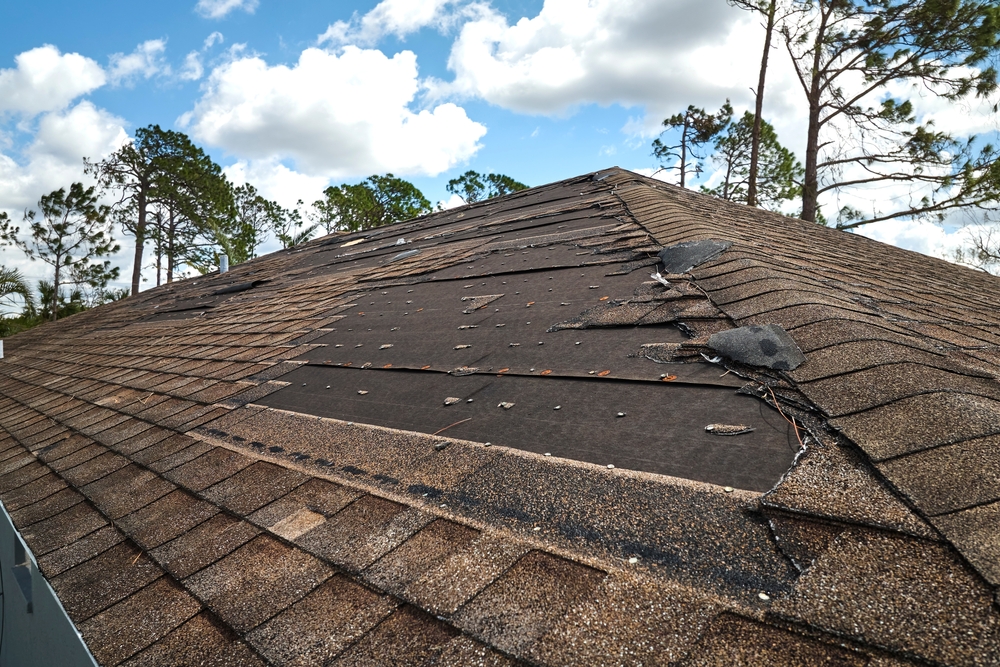
Wind, hail, and heavy rain can lift shingles, sections of roofing torn off, or even water intrusion. Normally, insurance recognizes this as sudden damage if the roof is in good condition before the storm.
2. Falling Trees or Branches
If a tree, limb, or heavy debris hits your roof during a storm, insurance usually steps in to cover the repairs. Maryland’s homeowner insurance tips also remind residents that the cause matters if the tree fell due to weather and not neglect, then it is normally considered a covered loss.
3. Damage That Creates Immediate Leaks
Generally, an opening created by a storm in the roof that leads to water infiltration is covered. The Insurer refers to this sort of situation as “opening-created” damage.
4. Roof Replacement in Certain Situations
Maryland’s roof replacement advisory describes conditions under which coverage may be more than patch repairs, such as when materials cannot be matched or when the structure is compromised. Of course, each policy is different from others, but homeowners should be aware that this is an option.
When Insurance Often Does Not Cover Roof Repairs
We fully understand it is frustrating when damage isn’t covered, but most exclusions are tied to how the problem developed. Insurance companies want clear proof that the damage was sudden, not the result of wear or neglect.
Following are the most common reasons claims are denied:
1. Aging or Worn-Out Roofs
If shingles are curling, brittle, or nearing the end of their lifespan, insurers may classify the issue as normal wear. That’s not considered a covered loss.
2. Maintenance-Related Problems
Many of the long-term issues, that includes flashing, clogged gutters, old nail pops, and slow leaks often fall outside of coverage. They are considered preventable with routine maintenance.
3. Pre-Storm Damage
If a storm simply made an existing leak worse, for example, then insurers may argue the underlying issue wasn’t sudden.
4. Poor Installation
Most policies exclude repairs that are associated with workmanship issues if the original installation wasn’t up to standard.
What Maryland Homeowners Should Do After a Storm
The earlier the right steps are taken, the smoother the claim process will be. According to Maryland’s post-disaster guide, document everything as soon as it is safe to do so.
Here’s what we suggest:
1. Check the Area for Safety
Look for fallen branches, missing shingles, dented gutters, or ceiling stains. Never climb onto the roof; just taking photographs from the ground is enough.
2. Document Every Detail
Take photos, note the time of the storm, and gather anything that shows the damage is new.
3. Prevent Further Damage
Cover openings with a tarp if you can do so safely. Insurers expect homeowners to prevent additional issues.
4. Contact a Roofing Professional
It helps to have someone assess the damage, before you call your insurance company. A licensed team like ours at Topper Roofing can give you an honest read on whether the issue is likely covered.
Should You Call Your Roofer or Insurance Company First?
Based on what we see across Maryland, here’s the simplest approach:
- Call a roofer first if you’re not sure what caused the damage.
- Call your insurance company first if you already know it was storm-related or caused by a fallen tree.
Having a trusted roofing professional assess the situation may help you communicate clearly with your insurance company and avoid misunderstandings.
Final Thoughts
Insurance can be overwhelming, especially when you are already dealing with storm damage. It is always our goal to help homeowners understand what is happening, why certain issues are covered, and what steps to take next. If you need clear answers or a damage assessment you can trust, you can always reach us through our Contact page, at any time, wherever you are in Maryland.