
When winter storms sweep through Pennsylvania, residents typically check their property for broken tree branches, cracked fences, or other visible forms of damage. However, one area of the home that is often overlooked following these storms is the roof, where wind damage isn’t always visible right away.
At Topper Roofing, we understand how winter winds can tear shingles off or loosen them. It’s also worth noting that even if no shingles are missing, the wind may have left your roof less resistant to rain and snow.
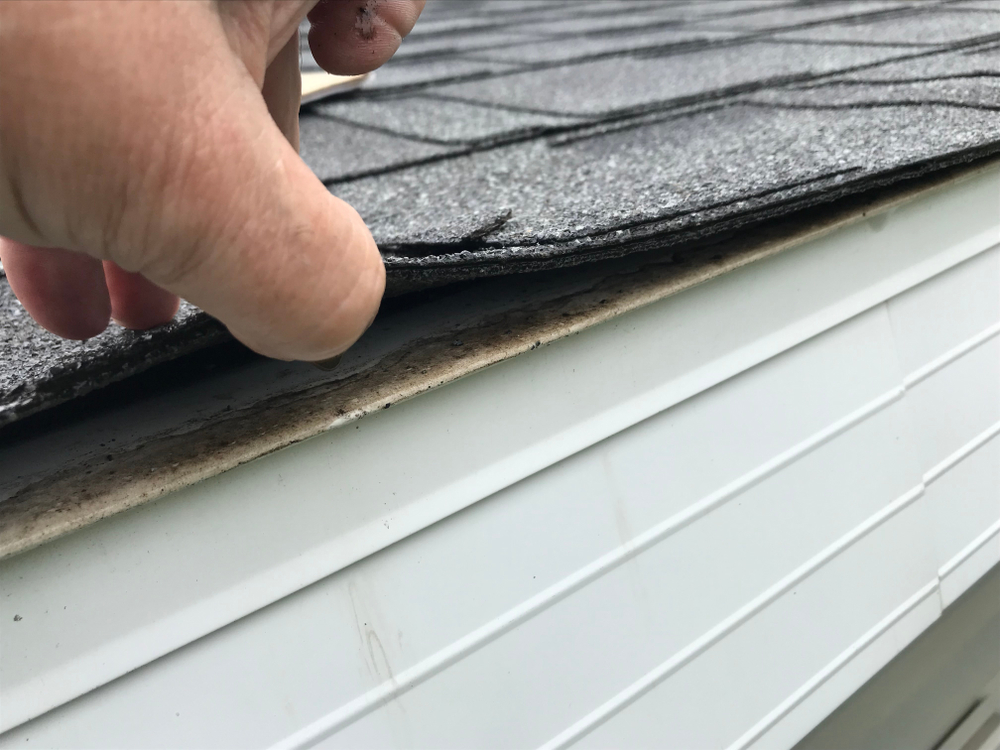
Look for Missing or Lifted Shingles
A missing shingle is a clear sign that there has been wind damage. From the ground, look for uneven areas, misaligned shingles, or spots where the layer underneath shows through.
Roof edges and ridges should be a particular focus. Wind catches shingle edges and pulls them up, leaving tabs that no longer sit flat. Some shingles may still be in place but raised, crooked, or bent.
Check for Signs of Broken Shingle Seals
It isn’t always easy to tell when there’s wind damage. Adhesive sealant strips are used on asphalt shingles to secure them to the roof. Strong winds can break these seals, leaving shingles more likely to lift during future storms.
Signs include curled or lifted corners, uneven rows, scuff marks, and patches of missing granules. The shingles may seem fine, but they may no longer be securely sealed. A closer assessment can help identify wind damage that isn’t immediately visible.
Don’t try to press the shingles into place or lift them up. A professional should assess whether they need repair, reattachment, or replacement.
Walk Around Your Property
A walk around the house can tell you more about the storm’s impact. Shingles can sometimes be found scattered around the yard, on pathways, next to landscaping, and even in the bushes.
Other forms of wind damage can also be assessed, such as bent downspouts, loose gutters, or broken siding. These clues show how hard the storm hit, but they won’t tell you how much damage the roof took.
Look for Signs of Water Inside
Wind-damaged shingles increase the risk of water infiltration into the roof system. Look out for any new stains appearing on ceilings or walls, wet spots in the attic, discoloration around vents, chimneys, or skylights, and any new musty odors.
If you can safely get into the attic, use a flashlight to check for moisture or staining. Stay off areas without solid footing.
A stain doesn’t always mean wind damage, but it’s worth taking seriously. Don’t wait for the next rainfall to determine if it’s leaking.
Document Damage Before Making Repairs
If you find wind damage, photograph and document it.
Record:
- Missing or visibly lifted shingles photographed from a safe vantage point.
- Roofing debris found around your property.
- Damage to gutters, vents, siding, or other exterior components.
- Water stains, damp areas, or leaks inside.
- The storm date and when you first noticed the damage.
Take both wide photos that show where damage is located and closer shots of the details. Keep notes and receipts for any temporary protective measures.
If you’re considering an insurance claim, contact your insurer to understand the reporting process and required documentation. Coverage depends on your policy. Clear photos and a timeline are key when documenting storm damage for an insurance claim, since they help establish what happened and when you discovered the damage.
Leave the Roof Inspection to Professionals
At Topper Roofing, we believe homeowners deserve clear answers and recommendations based on the actual condition of their roofs. With experience inspecting and addressing roofing concerns, we help homeowners understand what needs attention and what doesn’t.
If you suspect wind damage after a Pennsylvania storm, our team at Topper Roofing can help you assess your roof and determine the next steps. Contact us to discuss your roofing concerns.