The season’s first snow will likely show that some areas of your roof already have snow-free spots, but other areas still have snow covering their surface. Although this condition is typical, an uneven pattern of melting might indicate a problem with your roof or your attic.
Before heavy snowfall hits your area, make sure to spend some time observing your roof from below. The recurring melting pattern might suggest potential heat loss or ventilation problems.
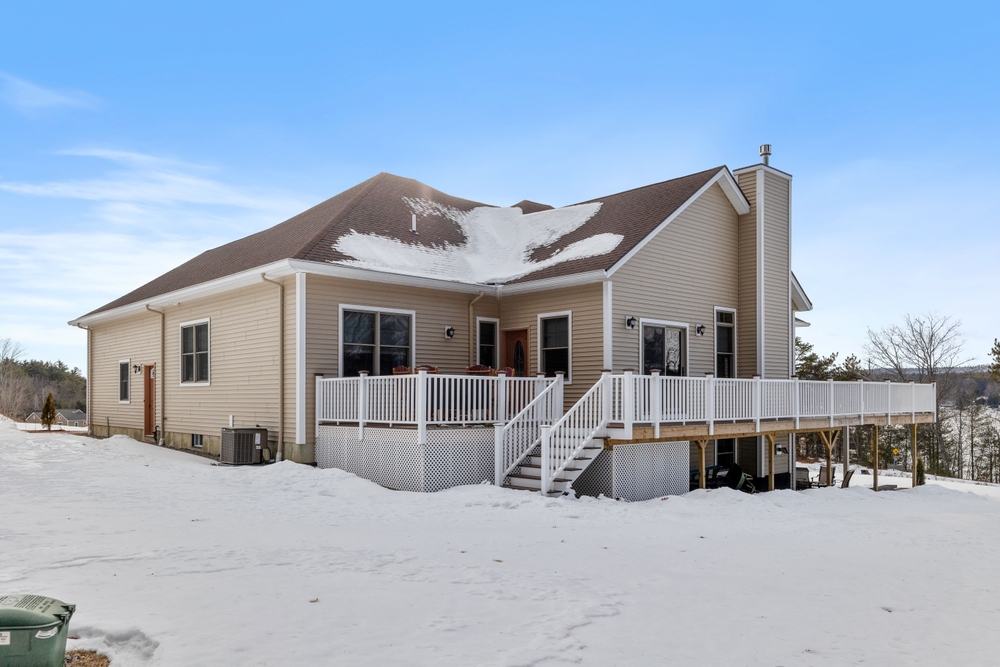
Why Snow Melts Unevenly on Your Roof
All factors such as sun exposure, roof pitch, wind, and outside temperature affect snow melting rates. Areas where there is afternoon sun exposure will melt faster than other areas which are not exposed to sun.
But when some areas keep melting faster than others, it means that heat emanating from inside the house is heating up the roof from below.
What Bare Patches and Uneven Snow Coverage Could Mean
Here are three patterns worth watching after a snowfall.
Bare Patches While the Rest of the Roof Is Snow-Covered
Where one part is bare despite the rest being covered by snow, there could be too much heat coming through in that area. This could be caused by insufficient or missing insulation and drafts through attic penetrations and recessed lighting.
Snow Melting Near the Ridge but Staying Along the Edges
If the snow melts on the higher parts of the roof but stays on the lower parts, the relatively warm roof surface could be melting snow as it flows towards the cooler edges. The melted snow can then refreeze, resulting in ice dams.
Uneven Melting Across Different Roof Sections
Where some parts tend to thaw faster than the rest, improper attic ventilation could be the problem. Adequate ventilation in the area below the roof is important in regulating temperatures.
How Early Melt Patterns Can Lead to Ice Dams
Ice dams occur when snow starts melting on a warm section of the roof but freezes again at the cooler edges. With more ice accumulating, it becomes possible for water to be blocked from draining.
Water trapped underneath the shingles will result in insulation getting wet, damaged ceilings, and water stains in your house.
Warm days that follow cold nights increase chances of the snow melting and re-freezing. Spotting any irregularities at an early stage gives you the opportunity to detect any issues.
What You Can Check Safely From the Ground
If there is light snowfall, go ahead and inspect your roof from a safe location around your house. Take note of any ice accumulation, icicles, and any damage that may occur near the gutters and edges of the roof.
Take photographs of any changes that may happen following the next snowfall. In case you observe any ice accumulation or any other unusual situation, you may want to have your roof inspected.
Do not go up on the roof yourself or use a ladder to get a better view.
Check Your Attic for Warning Signs
If you are able to safely get into your attic, check for wet or disturbed insulation, wet conditions around the framing, and any other signs of water penetration.
Look out for water stains on the ceilings inside your home or flaking paint close to the outside walls. This is usually caused by ice dams, bad flashing, or condensation.
Insulation, air sealing, and proper ventilation will regulate the temperature and moisture in the attic. If you see any moisture or wet insulation, have it checked before it causes any more damage.
How to Reduce the Risk Before Heavier Snow Arrives
In case your roof is prone to melting in an inconsistent manner, try to take the following precautions:
- Check attic insulation. Poor insulation or lack thereof may result in poor temperature distribution on the roof.
- Maintain proper ventilation. Make sure intake and exhaust vents remain unobstructed for air circulation.
- Seal air leaks. Air leaks may be caused by gaps in the attic access and ceiling.
- Maintain gutters and downspouts. Clean them from any obstruction to ensure efficient drainage of melting snow.
- Address recurring problems. In case there were ice dams or water leaks in winter before, find out what causes them.
Let the First Snow Help You Prepare for Winter
Don’t wait for winter damage to develop. Topper Roofing can help identify potential roofing concerns and prepare your home for the colder months.
Contact us to schedule an inspection.