
Your skylight may look fine during dry weather but start leaking when fall rains expose weaknesses in the skylight seal or flashing. Ceiling stains, wet trim, or leaks near the edges of the skylight clearly indicate water is passing through the skylight and the surrounding roofing components.
At Topper Roofing, we help homeowners identify the issues associated with roofing and possible solutions. Below are the common reasons for leaking skylights, what a leak looks like, and when you should replace your skylight.
Why Fall Rain Can Expose Skylight Leaks
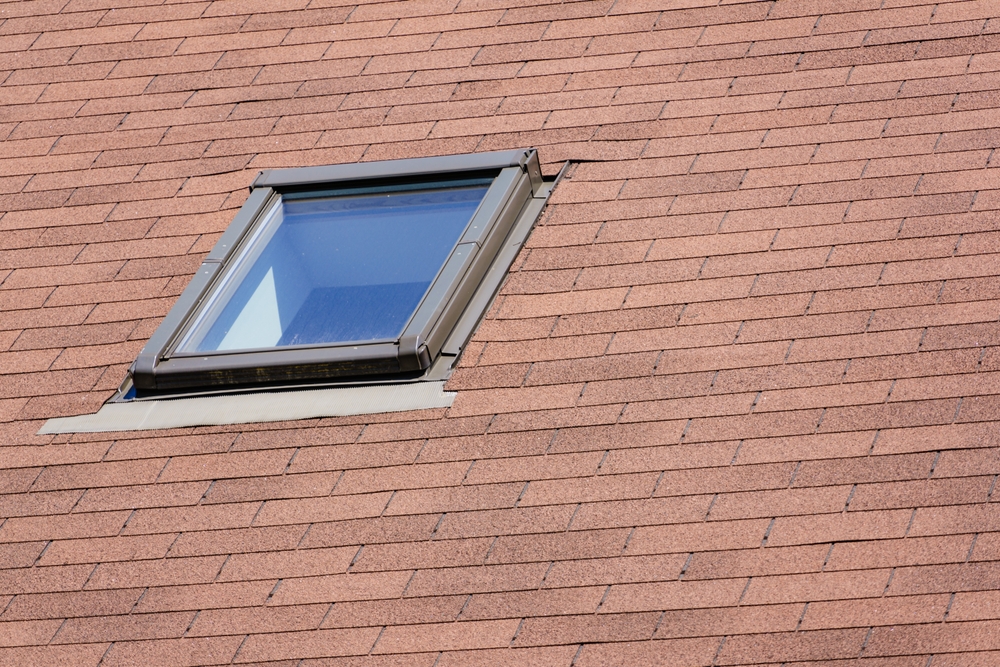
Skylights create openings in the roof; thus, the flashing system, sealants, and frame must act as a system to prevent water entry. Aging of the materials causes joint loosening, cracking of sealants, and deterioration of the roofing material.
Rain carried by winds can enter even small openings that remain dry in less intense rainfall. The water could flow along the roof deck or framing structure before entering inside, meaning that the ceiling spot is not always directly under the leak point.
Common Causes of Skylight Leaks
Damaged or Improperly Installed Flashing
The flashing will ensure that the water is directed away from the skylight and over the roofing material. It could be loose, damaged, or improperly installed, allowing water underneath the roofing materials.
These issues are similar to other roof leaks caused by damaged or vulnerable roofing components.
Worn or Cracked Seals
The sealant that surrounds your skylight could become dry, crack, shrink, and pull away from other surfaces due to extended exposure to the outdoor environment. This could let water leak into your skylight through the edges of the frame.
Simply applying a new caulk to the old one would not solve the problem if there is damage to the flashing or frame. The appropriate repair depends on the cause, since skylight leaks can develop for several reasons.
Damaged Glass or Frame
If there is any damage to the glass, warping of the frame, or deterioration of any part of the skylight, its functionality of keeping water out will be compromised.
This will depend on the type of damage and the design of the skylight; a component may be repairable, or the entire unit may need replacement.
Is It Condensation or a Skylight Leak?
Every time you see moisture near or on your skylight doesn’t mean that there’s leaking rainwater into the roof.
- Possible leak: Water stains on the ceiling, damp trim, or dripping around the frame, particularly after rainfall.
- Condensation: Droplets on the room-facing surface of the glass, especially on a cold morning.
- Failed glass seal: Fogging or moisture trapped between panes of insulated glass.
Should You Repair or Replace a Leaking Skylight?
It all depends on what causes the leak and the state of your skylight, along with the extent of the damage to your roof. The fact that there is a leak does not necessarily mean that the entire skylight has to be replaced.
When a Repair May Be Enough
Repair may be practical when the skylight is in good condition and the problem is limited to a specific component. Depending on the inspection, work may include:
- Flashing repairs: Fixing or replacing damaged flashing.
- Sealant repairs: Removing deteriorated material and resealing the appropriate joints.
- Roofing repairs: Replacing damaged shingles or other materials around the opening.
- Component replacement: Replacing a damaged part when the skylight’s design allows it.
When Replacement May Be the Better Choice
A replacement could make more sense in situations where the skylight is extensively damaged, where its frame has been weakened or where there have been constant leaks, among others. In addition, if the appropriate replacement parts cannot be sourced, a replacement would be recommended.
In some cases, cracked glass and an insulated glass unit will not automatically necessitate skylight replacement but depend on the type and degree of damage.
What to Do When You Notice a Skylight Leak
When you spot water accumulating near the skylight either during or right after a rainstorm, you need to take some basic measures while getting ready for a checkup:
- Remove furniture and items from the vicinity of the skylight area.
- Collect water droplets if possible in a bucket or similar container.
- Take pictures of the water marks and damage.
- Never climb up onto the roof to check the flashing by yourself.
- Never apply any caulk until you know where the leak is coming from.
If water is near a light fixture or electrical wiring, avoid the affected area and seek appropriate professional help.
Address Skylight Problems Before Winter
Fixing any issues prior to winter can prevent additional damage and help to determine if repair or replacement will be necessary.
At Topper Roofing, our experts can perform an inspection of your skylight and your roof’s materials in order to help diagnose and solve the issue. If you have noticed stains from moisture, wet trim, or frequent leaks near your skylight, contact us to discuss your concerns and arrange an inspection.