Homeowners usually focus on inspecting the shingles and gutters when getting ready for the upcoming winter season. However, the trim around the roof edge may not be noticed until some of its elements begin to peel off or sag. Those are the elements called soffit and fascia that provide additional protection for your roof from various damages.
Checking them during autumn may be helpful. Finding rot, cracks, and loosened parts before cold weather comes will make it possible to avoid further damages and find out about the necessary repairs, something the team at Topper Roofing can help with.
Soffit vs. Fascia: What’s the Difference?
Even though they collaborate, soffit and fascia play different roles.
The fascia is the piece of wood that goes along the edges of the roof. It helps give a nice finish to the roof and is the place where the gutters are attached.
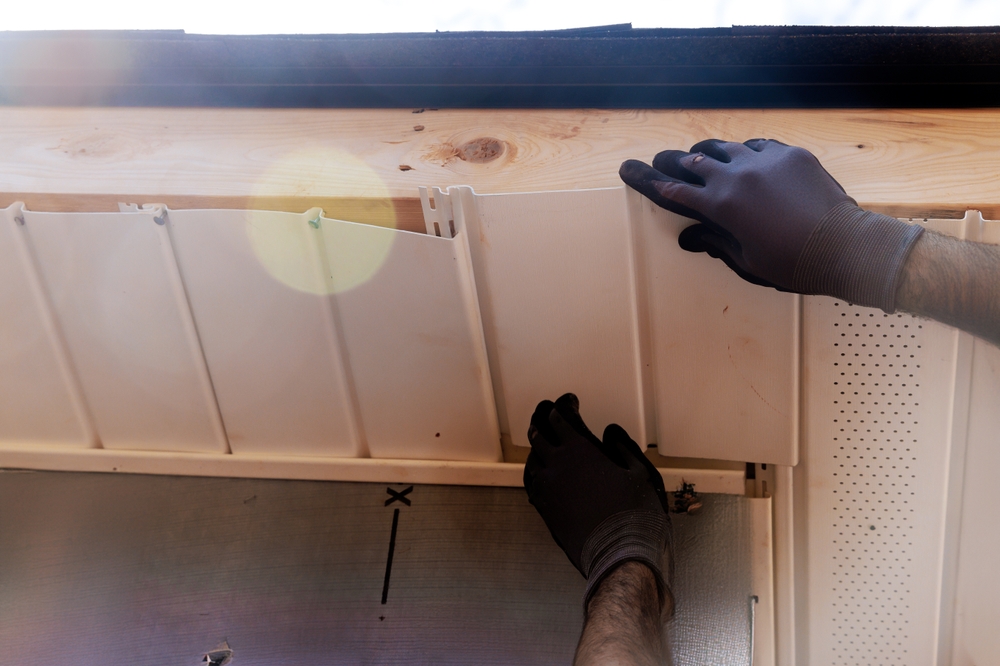
The soffit is the material that covers the underside of the roof overhang. This protects the rafters from getting wet and may be the source of ventilation for the attic space.
Why Soffits and Fascia Rot
Moisture can be the reason for deterioration of the roofing material. For example, when the gutter becomes full of water, it can flow behind it and saturate the fascia board. A damaged or missing drip edge also allows the water to get under the roof edge and roof deck.
Over time, the wood gets weakened, cracked, and degraded. If the damage spreads beyond the trim board, the underlying rafters and roof deck should also be inspected.
That is why it is important to identify the source of the moisture to address this issue and not just replace the degraded board.
Check Soffit Vents Before Winter
If you have intake vents, they help bring outdoor air into the attic to ensure proper ventilation.
The air typically enters the attic via the eaves and moves towards the exhaust vents on top of the roof. If there is any blockage of the intake vents, the ventilation process is bound to fail, resulting in the accumulation of moisture and condensation.
As winter approaches, check for any obstructions and damage to the soffit vents. The obstructions could include the insulation that is touching the eaves, the debris on top of the roof, and any damage to the vent panels that could affect the flow of air through the vents. From the attic, if it is safe to do so, check whether there is any insulation blocking the flow of air through the ventilation pathway.
Do not seal your soffit vents just because they are openings in the roofline. It is important to understand why they are there and how their sealing will create another problem.
Look for Gaps, Loose Panels, and Signs of Damage
After years of being exposed to the elements, edge roofing materials may begin to crack, warp, or lift from adjacent materials. These could create gaps that allow rain and pests carried by the wind to penetrate.
During a ground-level inspection, watch for these warning signs:
- Bubbling or peeling paint: This could suggest that the underlying material is compromised or that it is affected by moisture.
- Dark stains: This could suggest that there is continuous exposure to moisture.
- Cracked, warped, or sagging boards: This could mean that the material is damaged and can no longer offer protection.
- Gaps or open seams: This could mean that water and pests can gain unintended access.
- Water spots on the siding near the roof edge: This could mean that water is penetrating through the roof edge or overrunning the gutter system.
Not every opening is a defect. Soffit vents are intended ones, and some roof edge designs may have certain openings on purpose. The point is any damage or separation that can make the construction visible or vulnerable to water penetration and other problems.
Since the fascia serves as the support of the gutters and protects the roof edge, damage to the fascia can become a serious problem beyond just making the roofline ugly. In case of any suspicion regarding the rotting or the separation of a board, do not try to inspect the problem by yourself from the roof.
How Soffits and Fascia Connect to Your Gutters
Because most gutters are attached to the fascia, problems with one will often affect the other. Softened or rotted fascia may not be able to firmly hold the gutters in place anymore. There could be a portion that is sagging, pulling away from the line of the roof, or looks uneven.
Cleaning the gutters will ensure that there is proper drainage but this does not fix the problem of rotted fascia boards. If there is overflowing, loose gutters, or staining in the edge of the roof, both of these could be the issue.
Should You Repair or Replace Them Before Winter?
It all depends on how bad the damage is. Damage to a specific area may need a simple fix, but extensive rot and damage to the underlying materials may require other actions.
The type of materials plays a role as well. Wooden soffits and fascia require appropriate care to shield them from moisture. Alternative materials, such as vinyl, aluminum, and composite, will minimize some maintenance efforts, although they will still need installation and damage checks.
Repairs may also be accompanied by gutters and roof-edge flashing replacement. Checking the area is helpful to identify what needs to be done and whether the problem has been solved.
Taking care of these problems in fall will minimize their exposure during winter. Fall usually allows for easier repair work compared to winter due to milder weather.
Have Your Roof Edge Checked Before Winter
Rot, gaps, loose panels, and blocked soffit vents can affect moisture protection, pest exclusion, gutter support, and attic airflow.
At Topper Roofing, we help homeowners identify roofing concerns and determine which repairs are needed. With more than 35 years of experience, we know that checking your roof edge before winter is an important step in proper roofing maintenance.
If you have noticed signs of damage along your roof edge or want to have the area assessed before temperatures drop, contact us to discuss your roofing needs.