As it gets colder, squirrels, raccoons, and birds will begin searching for a warm place to hide from the winter chill, and your attic may be perfect. All it takes is damaged roof materials or access along the perimeter of your roof for any animals to enter your attic.
It all starts when you begin to hear scratches coming from above your ceiling or in your attic after dark; chances are you’ll find that an animal already got into your home.
Where Animals Get In
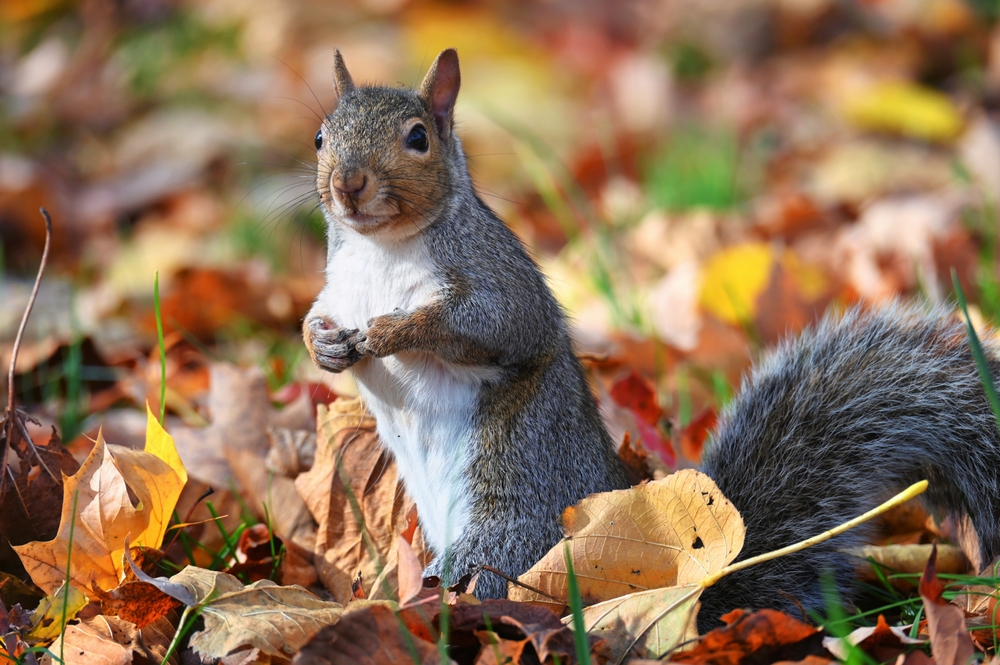
Animals can use small openings to access your roof or attic. Squirrels can chew through weakened wood, raccoons may pull at loose materials, and birds often seek openings where they can build nests.
Common entry points include:
- Roof vents: Damaged or missing screens can let animals inside. Properly fitted metal mesh screens help keep wildlife out without blocking necessary airflow.
- Soffits and fascia: Rotted or damaged wood along the roof edges can be easier for squirrels to chew through.
- Loose or missing shingles: Damaged roofing materials can expose vulnerable areas that animals may investigate.
- Chimneys: Birds and other wildlife may enter through an uncovered chimney. A properly fitted chimney cap helps prevent entry while allowing the chimney to function properly.
- Overhanging branches: Squirrels can use branches that touch or hang over the roof as an easy route onto your home.
If you suspect that there is any wildlife nesting in your attic or your chimney, you should not block up their access point immediately. You could potentially confine the animal inside or separate it from its offspring. Additionally, some species of wildlife and active nests are actually protected by law.
Signs of Animal Damage
While you may not witness an animal entering your home, you can be on the lookout for indicators of its presence within your roof or attic space.
- Scratching or thumping: Repeated noises overhead, particularly at night, may indicate animal activity.
- Chewed materials: Gnawed fascia, torn vent screens, and damaged wood can point to an entry attempt.
- Droppings or unusual odors: These may indicate animals are living in the attic. Avoid handling droppings directly.
- Nesting materials: Twigs, leaves, and shredded insulation around vents or inside the attic may indicate nesting.
- Water stains or damp insulation: These can signal a roof leak, including one caused or worsened by damaged roofing materials.
Not all of these indicators necessarily mean animal activity. However, a roof inspection can help determine this. Other signs of an animal infestation in your roof or attic may also become more noticeable as time goes by.
Roof Repair vs. Animal Exclusion
Roof repair and animal exclusion work on entirely different issues. In some instances, you may need both depending on the extent of the damage.
Roof repair fixes existing damage. The types of repairs involved include fixing damage to the shingles, repairing the decaying fascia board, and repairing gaps around roof features. Any resulting water damage should also be fixed.
Animal exclusion prevents future entry. It involves closing any openings that may be vulnerable to intrusions by installing proper vent screens and chimney caps, among others.
Closing one vulnerable opening will not solve the problem if another vulnerable area exists. Similarly, installing the vent screen will not solve any water leakages that may have occurred due to the damage.
The animal needs to be removed from the structure before sealing the openings. A qualified wildlife exclusion specialist will help remove the animal and give advice on the best time to seal the openings.
Protect Your Roof Before Winter
At Topper Roofing, we help homeowners identify roofing damage and repair vulnerable areas before they lead to bigger problems. Contact us to schedule a roof inspection and find out whether your roof needs repairs before winter arrives.