Although many homeowners know how important a roof inspection is, not all understand the actual procedure involved in it.
A roof inspection procedure includes checking your roof and determining any possible issues, both existing and future, and evaluating the condition of your roof in general. In case you have spotted leaks or experienced some storms, or just need to ensure there won’t be any issues in the near future, then a roof inspection would be beneficial for you.
At Topper Roofing, we have noticed that knowing what a roof inspection is can help our customers feel more confident about handling their roofs. That is what we will discuss in this blog.
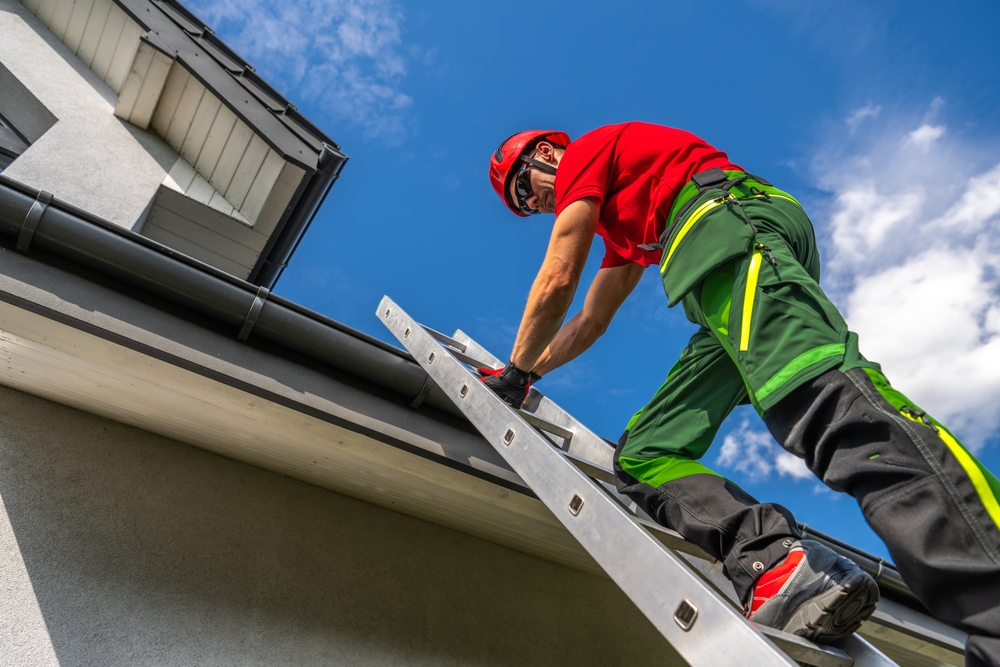
Why Roof Inspections Matter More Than Most Homeowners Realize
Your roof is exposed to different weather conditions throughout the entire year. Rain, wind, snow, heat, and hot-to-cold temperatures will surely take a toll on your roof. Some of these damages will be evident right away, but others will occur gradually unless the issue becomes severe enough for you to notice.
Problems such as damaged shingles, leaks, and tiny cracks in the flashing material may not seem important at first, but once the water makes its way into your roof, it can cause serious problems.
Regular inspections help identify these issues early, when repairs are often simpler and more affordable. They also give homeowners a better understanding of their roof’s condition so there are fewer surprises down the road.
Step 1: Reviewing the Roof’s History and Any Current Concerns
Before the inspection begins, a roofing professional from a reliable roofing company will start with a couple of questions about your property.
How old is the roof? Have any repairs been done before? Do you see any water spots, leaks, missing shingles, or other problems?
The answers to these questions will help paint a picture regarding its history and allow for targeted inspection by the professionals. Homeowners usually have a better idea when something minor goes wrong, which can be very important for the inspectors.
Step 2: Inspecting the Roofing Materials
This step includes assessment of the actual roofing materials used on the roof.
For asphalt shingle roofs, inspectors typically look for signs such as:
- Missing shingles
- Splitting or broken shingles
- Lifting corners
- Loss of granules
- Inconsistencies in weathering
- Storm-related damage
This process aims to find out not only what damage has been done but also how well the materials hold up over time. Even when a roof appears to be in good shape while being looked at from the ground, close inspection can reveal something different.
Step 3: Checking Flashing and Roof Penetrations
Not all leaks start at the center of a roofing system. In fact, some roof leaks form at points on the roof where there is a penetration.
Examples of these penetrations are:
- Chimneys
- Vent pipes
- Skylights
- Exhaust vents
- Roof-to-wall intersections
The metal parts that secure and protect these points are called flashing. As time goes by, flashing may become loose, corroded, disengaged from other materials, and weathered.
During an inspection, roofing professionals carefully examine these vulnerable areas because they are among the most common sources of water intrusion.
Step 4: Evaluating Gutters and Drainage
Although gutters are not directly part of the roofing system, they are critical in ensuring that the roof remains protected.
When the gutters are clogged, damaged, or fail to efficiently direct water from your house, there could be water accumulation where it should not be present. Over time, this can contribute to roof deterioration, fascia damage, and other moisture-related issues.
During the process, the inspectors could examine:
- Gutter debris
- Overflow
- Sagging
- Poor water drainage
- Gutter component damage
Water management plays a significant part in ensuring the good health of your roof.
Step 5: Examining the Roof Structure and Ventilation
In addition to examining the physical state of the roof structure, roofers also check for any evidence of poor ventilation in the system.
Signs of problems may include:
- Roof sagging
- Soft areas
- Moisture accumulation
- Poor air circulation
- Premature aging due to excessive heat
It will probably come as a surprise to many homeowners just how important ventilation is to proper roof function. The overheating and moisture accumulation caused by poorly ventilated attics may result in accelerated aging of roofing materials.
Step 6: Looking Inside the Attic
Sometimes, one of the most telling stages of the process of inspecting the roof occurs in the attic. Small issues tend to show themselves there first.
Some of the indicators that inspectors might look for include:
- Water stains
- Moisture
- Mold or mildew
- Condensation
- Light leakage
- Lack of ventilation
Step 7: Documenting Findings and Discussing Next Steps
Once the assessment is done, the contractor discusses the findings with the homeowner. This involves pictures and an explanation of all the parts that require special attention.
Some problems will not require immediate attention; some will only need preventive maintenance, while others may need to be fixed before it gets worse.
The goal is to provide the homeowner with proper information so they can decide how to protect their property. This is one of the reasons homeowners choose trusted roofers for their home’s roofing needs.
Common Problems Found During Roof Inspections
Every roof is unique, but some problems commonly show up during a roof inspection process. They include:
- Damaged or missing shingles
- Worn-out flashing
- Damage from storms
- Gutter damage
- Poor ventilation
- Water leaks
- Aged roof material
- Small problems that go unnoticed for long periods of time
Early detection of these problems often helps homeowners avoid more extensive repairs later.
How Often Should You Schedule a Roof Inspection?
In general, it would be wise to consider scheduling a roof inspection at least once or twice a year with a local roofing company you trust.
However, further roof inspections can also be beneficial after experiencing:
- Extreme weather
- Heavy winds
- Hail storms
- Tree damage
- Weather-related emergencies
A roof inspection is also highly advisable when:
- You’re buying or selling your home
- You see water spots on the ceiling inside your home
- Your roof is getting old
Conclusion
Professional roof inspection covers a lot more than searching for loose shingles.
This allows you to understand exactly what state your roof is in, thus helping to find potential issues early before they can develop into major ones.
From the aspect of protecting your house, a little bit of knowledge is always better than no knowledge at all.
For detailed insight into the state of your roof, our team at Topper Roofing is here to help. As a reliable roofing company serving Pennsylvania, we have been providing professional roofing services here for a long time now.
Contact us today to get your roof inspected by our experts.