Winter in Maryland can be unpredictable. One week brings snow and freezing rain, the next brings a quick warm-up before temperatures drop again. This kind of freeze-and-thaw weather often leaves homeowners staring up at their roof, wondering whether the ice they see is harmless or a warning sign.
At Topper Roofing, we often see homeowners confused about the difference between icicles and ice dams. Understanding the distinction can help protect your home from water damage, mold, and costly repairs.
The Difference Between Icicles and Ice Dams
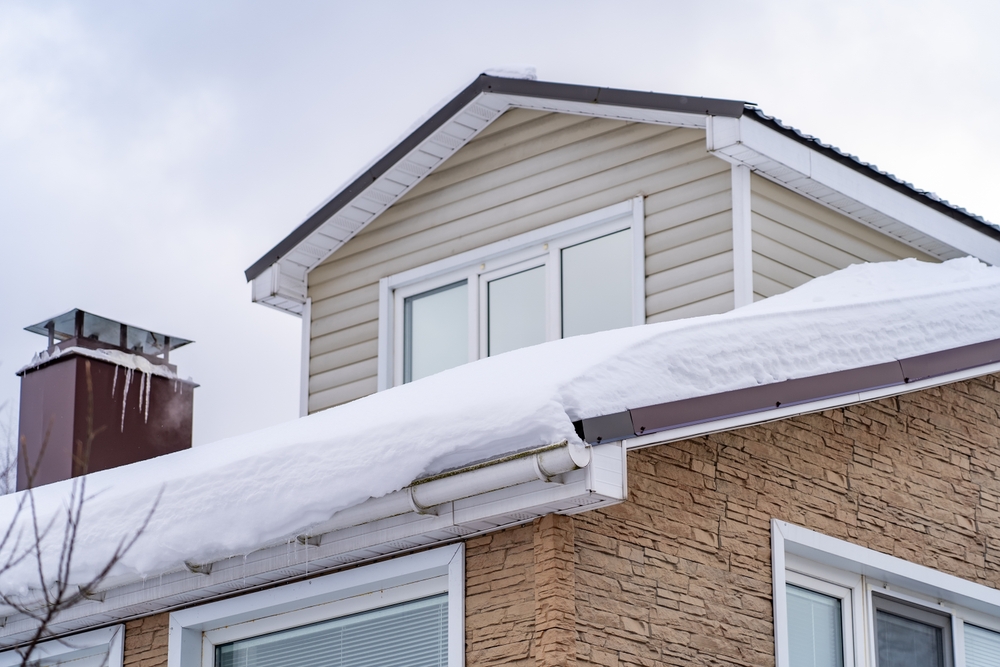
Icicles form when melting snow or ice drips off the roof edge and freezes as it falls. They usually hang from gutters or eaves and, on their own, don’t necessarily indicate a problem with the roof. In many cases, they’re simply a sign that snow is melting during the day and refreezing at night.
Ice dams are different; an ice dam forms when snow melts higher up on the roof, flows downward, and then refreezes near the colder roof edge. That frozen ridge blocks water from draining properly. Instead of running off the roof, water can back up under shingles and into the roof system.
Signs of a Problem
Here are some signs that you may have an ice dam rather than just icicles:
- Water stains on ceilings or walls near exterior walls
- Frost or ice buildup along the roof edges that doesn’t fall naturally
- Sagging or damaged shingles near eaves
- Ice forming in repeated cycles along gutters or roof edges
We always advise homeowners to treat these signs seriously, as early intervention can prevent expensive repairs.
When Icicles Are Mostly Harmless
Most icicles are more of a safety concern than a roofing issue. Large or heavy icicles can fall and cause injury, and in some cases, they can pull on gutters if they become too heavy. Still, icicles alone don’t usually cause leaks or interior damage.
That said, frequent or unusually large icicles can hint at uneven roof temperatures or heat escaping from the attic. They’re not always a problem, but they’re worth paying attention to.
Why Ice Dams Are a Bigger Concern
Ice dams can cause damage that isn’t visible right away. When water backs up behind the ice, it can:
- Leak into ceilings and walls
- Soak attic insulation
- Cause stains, peeling paint, or warped drywall
- Lead to moisture or mold issues
- Shorten the lifespan of shingles
Many homeowners are surprised to learn that ice dams can form even on newer roofs. The issue is usually less about roof age and more about insulation, ventilation, and how heat moves through the home.
What Causes Ice Dams and Excessive Icicles
In most cases, the root cause starts inside the house. Warm air escaping into the attic heats parts of the roof, melting snow unevenly. When that water reaches colder sections near the eaves, it refreezes. Over time, this cycle leads to ice buildup.
Steps that help reduce icicles, such as improving insulation and sealing air leaks, are often the same steps that reduce ice dam risk. Proper attic ventilation also plays an important role by helping keep roof temperatures more consistent.
Prevention Tips We Recommend
While you can’t control the weather, there are steps we recommend to lower the risk of ice dams:
- Make sure attic insulation is even and sufficient to reduce heat escape
- Maintain proper attic ventilation for consistent roof temperatures
- Keep gutters and downspouts clean so that meltwater can drain
- Safely remove snow from roofs in high-risk areas when practical
We also pay attention to common situations where icicles indicate minor issues, and advise homeowners on how to prevent them from forming excessively. Addressing these concerns early, before winter storms pile up, can make a noticeable difference.
How We Help at Topper Roofing
At Topper Roofing, we don’t treat ice dams or icicles as one-size-fits-all problems. We look at the full roofing system, including ventilation, insulation, roof edges, and overall roof condition. When winter weather exposes ice-related issues, it’s often connected to other seasonal roof concerns we see across Maryland homes.
Sometimes the right solution is a small adjustment. Other times, it’s about long-term improvements that help protect the home year after year. Either way, understanding what’s happening is always the first step.
Looking Ahead to Future Maryland Winters
With winter weather becoming less predictable, ice-related roof issues are becoming more common. Knowing the difference between harmless icicles and damaging ice dams helps homeowners respond appropriately instead of guessing.
If you’re unsure whether the ice on your roof is a problem, learning more about roofing systems at Topper Roofing or starting a conversation through our contact page can help you get clear, practical answers. A little awareness now can prevent leaks, repairs, and frustration later, no matter what winter brings next.