On a roof, moss can quietly trap moisture against your shingles, and in winter, that moisture becomes a bigger problem than most homeowners realize. That patch of green seems like a part of the scenery, especially on shaded roof sections or where tree limbs block the sun. Because when snow melts, and rain keeps coming through the colder months, you might not give much thought to that patch of green on your roof. Because that soft, cushiony growth isn’t just decoration.
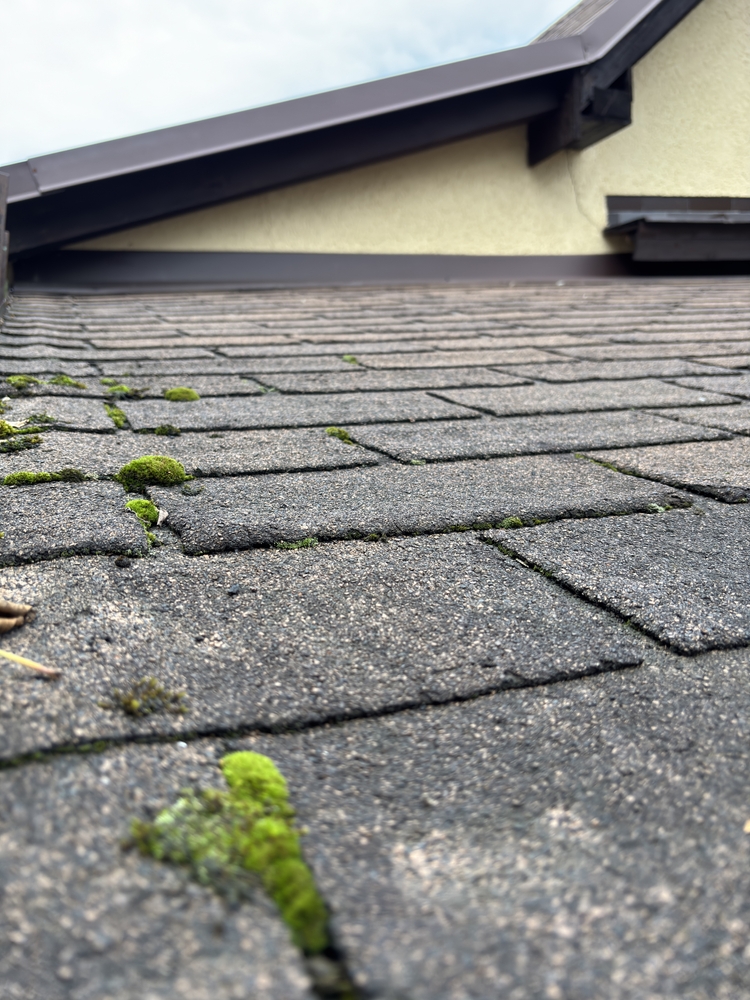
Moss doesn’t die off the way weeds in your yard might, even in freezing temperatures. It goes dormant, clinging to shingles and absorbing water like a sponge. Once winter’s moisture and shade come into play, that moss becomes more than an aesthetic issue; it starts working against the very system designed to keep your home dry and safe. According to GAF, moss holds water against the roof far longer than a clean surface would, and this prolonged dampness sets the stage for other issues down the line
Moss Doesn’t Really Go Away in Winter
Moss thrives in damp, shaded environments. If left unchecked, moisture lingering under moss can contribute to a range of issues. It can soften roofing materials, accelerate wear, and even allow water to make its way beneath shingles in ways that wouldn’t happen on a clean, dry surface. In effect, it interferes with the roof’s natural ability to shed water efficiently. Roof materials are built to shed water, not hold it, and moss prevents them from doing just that. According to Angi, roofing inspection is very important to avoid this.
Winter Weather Makes Moisture Worse
Winter brings cycles of freezing and thawing that affect all parts of your roof, and moss can make these cycles more damaging. Water held under moss will freeze and expand during cold snaps, placing stress on shingles and potentially loosening them. Over many cycles of freezing and thawing, even tiny gaps between shingles can widen, allowing more water in and shortening your roof’s effective life. This same freeze–thaw effect also contributes to other common winter roofing problems like ice dams and trapped water behind edges, issues homeowners are often advised to watch out for as part of cold-weather roof care.
Winter also brings shorter days and less direct sunlight, especially on roof sections shaded by trees. This makes the shingles take longer to dry, which allows moss even more time to hold moisture right there where it shouldn’t be.
Why Moisture Matters for Roof Health
Your roof’s primary job is to keep water out of your home. That means shingles need to stay dry and tightly sealed so they can shed water down and off the roof. Moss interrupts that process by trapping moisture and keeping shingles damp. Over months and years, this makes your roof less effective at keeping water out. Once shingles lose their protective granules or start to lift, water has easier access to the layers beneath, and that’s when leaks, rot, and damage follow. These changes happen pretty slowly, so you might not notice until small damage has turned into a more expensive repair.
Why Winter Isn’t the Time for DIY Moss Removal
It’s tempting, especially as spring approaches, to climb up and start scraping moss off your roof. But winter conditions make that riskier than you can expect. Cold, wet surfaces are slippery, and shingles become more brittle in low temperatures. Using a pressure washer or hard scraping can damage shingles and actually shorten their life, creating weak spots where leaks can develop over time.
The safest course of action in winter is to monitor shaded areas and clean your gutters, but do so safely. You can plan for mold removal when temperatures are milder, but it would be better with the help of someone more experienced and professional.
Better Seasons for Moss Removal
Late spring through early fall tends to be the most effective time for moss removal. During these seasons, temperatures are milder, moisture levels are lower, and roof surfaces dry more quickly. Professional roofers can gently remove moss and trim any overhanging branches that create shady, damp conditions without risking damage to your roof. That kind of timing helps keep your roof healthier and avoids the collateral issues that come with winter weather.
What Professional Roofers Can Do
A professional roofer has the experience to spot where moss and moisture are creating weak points, assess how your roof is holding up through cold conditions, and suggest the right care plan. That might mean setting up a schedule for moss removal in the right season, addressing ventilation or drainage issues, or simply watching certain trouble spots more closely, the key to a better roof condition.
At Topper Roofing, we understand how cold Maryland winters affect roofs. From identifying moisture-prone areas to planning moss removal at the safest time, our team helps homeowners protect their roofs long-term. Observing winter moss, knowing what it can do, and addressing it appropriately helps keep your roof in good shape through every season.
What Winter Moss Means for Your Roof Long-Term
The right method: awareness and timing. Having the chance to watch moss through winter and then having removal done during a safer season will protect both your roof and your peace of mind.
Professional guidance can help you make the best choice for your home and keep your roof in good shape through every season. If you think you have a moss problem, we can help. You can contact us anytime, and learn more about seasonal roof care, or get a professional inspection of your roof.