
Winter in Maryland tends to be all over the place. It’s a familiar pattern: cold nights, mild afternoons, then repeat. What most homeowners don’t realize is that while we adjust our jackets, our roofs don’t get that luxury.
Every swing from freezing to thawing puts your roofing system under stress. Materials heat up, cool down, expand, and contract, sometimes all within the same 24 hours. Over time, that constant change can quietly wear down your shingles, fasteners, and flashing. It is called thermal shock, and in a climate like Maryland’s it’s a commonly overlooked cause of premature roof damage.
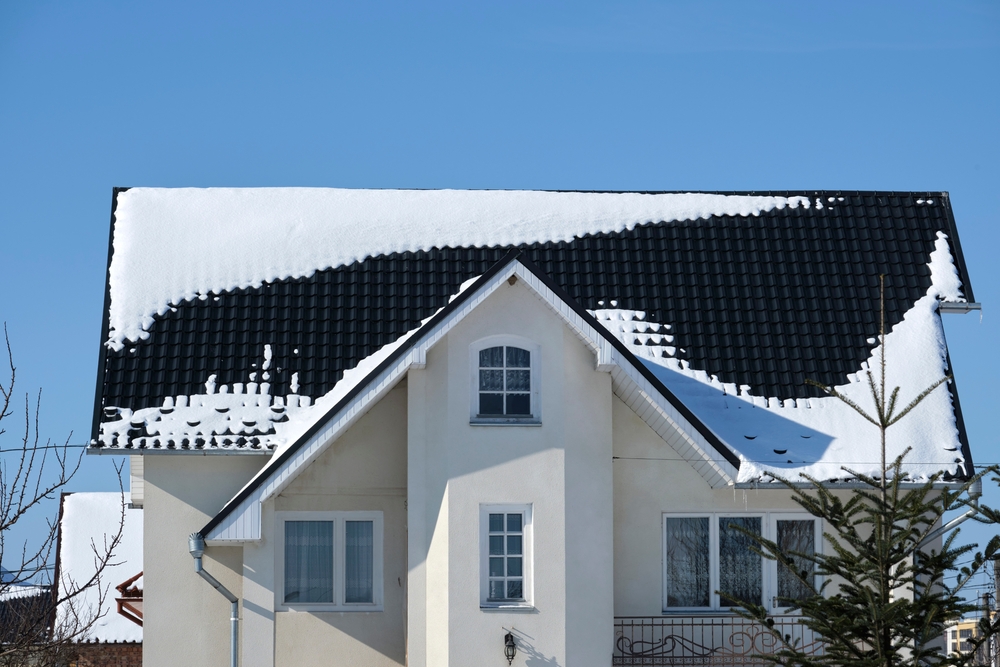
Understanding how these temperature shifts affect your roof and what can be done to reduce their impact can help you avoid surprises when winter turns into leak season.
What is Thermal Shock, and Why is it Important?
Your roof expands when temperatures rise and contracts when they fall. Over time, repeated cycles like this create stress in roofing materials similar to bending a paperclip back and forth until it weakens. In roofing systems, that stress can show up as cracked shingles, loosened fasteners, or gaps in flashing.
Sudden temperature changes, especially when materials warm quickly in direct sunlight and cool rapidly after sunset, accelerate this cycle of expansion and contraction. This is particularly common during Maryland winters when weather patterns shift quickly.
How Thermal Shock Affects Your Roof During Maryland Winters
Winter is especially rough on Maryland roofs because temperatures often fluctuate greatly within the span of one day. Those changes may seem harmless, but when they add up.
Common effects include:
- Cracked or brittle shingles: As shingles get older, they lose flexibility. Repeated temperature swings make them more likely to split or break.
- Loose nails and fasteners: As materials shift back and forth, nails can be slowly worked loose from their position, thereby lowering wind resistance.
- Flashing movement: Flashings around chimneys, vents, and valleys in the roof can loosen slightly with time, providing openings for moisture.
- Stressed underlayment: Just like shingles, the protective layers under them expand and contract, weakening their weather-tight integrity.
These issues often begin small and go unnoticed until a leak appears or damage becomes visible indoors.
The Freeze-Thaw Cycle Adds Extra Strain To Your Roof
Thermal shock often works hand in hand with the freeze-thaw cycle, another common winter issue in Maryland. When snow or ice melts during the day and refreezes at night, water can seep into tiny gaps in the roof and expand upon freezing. Over time, this process can slowly widen cracks and weaken roofing materials, one of the most common problems discussed when explaining how repeated freezing and thawing affects roofs.
One of the most visible results is ice dams. As snow melts higher on the roof and refreezes near the edges, water can back up and work its way under shingles, increasing the risk of leaks.
Why Roofing Materials Make a Difference
Not all roofing materials behave the same regarding temperature fluctuations. Some take movement very well, whereas others require proper installation details to perform satisfactorily.
- Asphalt shingles: Those are the ones most commonly found in Maryland. Overall, they hold up fairly well but tend to become brittle with age and more sensitive to temperature stress.
- Metal roofing: Metal expands and contracts more than many other materials; for that reason, proper fastening systems and allowance for thermal movement is critical to long-term performance.
- Underlayments and sealants: these must remain flexible during both cold and warm conditions. Loss of flexibility is usually followed by a breakdown in protection, particularly where thermal expansion can occur frequently.
Choosing materials designed to handle temperature movement helps reduce long-term wear.
Ventilation Helps Reduce Temperature Stress
Proper attic ventilation is important in terms of protecting your roof against thermal shock. Ventilation helps in regulating the attic temperatures: not allowing too much heat to build up on hot days and reducing the rate of cooling down overnight. This limits how much the roofing materials are forced to move.
Balanced airflow also helps control moisture and reduces the possibility of ice dams, particularly where daytime melting is followed by below-freezing nighttime temperatures.
Maintenance That Helps Your Roof Last Longer
Quite often, routine maintenance goes a long way in limiting damage that temperature swings can cause. Simple steps can make all the difference, which include:
- Scheduling seasonal roof inspections
- Keeping gutters and roof valleys free
- Early repair of loose flashing or damaged shingles
- Ensuring insulation and ventilation work in harmony.
Many manufacturers of roofing products indicate that regular roof maintenance is among the best ways to maximize the life expectancy of a roof and prevent minor issues from becoming costly repairs.
Staying Ahead of Thermal Shock
Unpredictable Maryland winters don’t have to translate into unpredictable roof damage. Years of thermal shock and freeze-thaw cycles put quiet stress on roofing systems. Understand how the temperature changes affect your roof, and you can begin making better decisions about materials, ventilation, and maintenance. If you are not sure how your roof has held up through recent winters, we at Topper Roofing can help you identify the early signs of wear and keep your roof ready for whatever the next season brings. You can contact us anytime and get a free roof inspection.