Most of the time, homeowners only think about the shingles on their roof: the color, the style, how they look from the street. But the real strength in your roof comes from a layer you never see. Sitting beneath the underlayment and shingles, quietly holding everything together, is the roof decking. When it’s strong, your roof can handle Maryland’s unpredictable weather. When it’s weak, everything above it is at risk and often leads to costly roofing repair down the line.
At Topper Roofing, we have seen time and again that a roof is only as reliable as the deck underneath it.
What Roof Decking Really Is
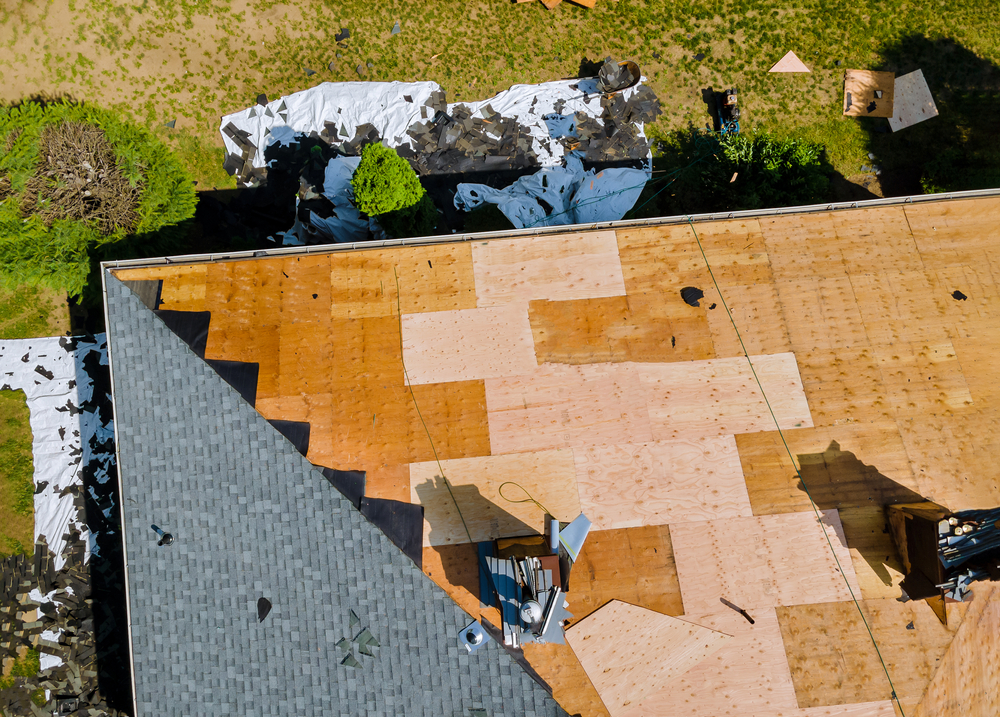
Roof decking, also called sheathing, is the solid layer of wood that covers your home’s rafters. Think of it as the floor that all the other roofing materials sit on. Most homes use plywood or OSB sheets, though some older Maryland homes may still have wooden planks.
As GAF homeowner education resources states, roof decking provides the foundation for your entire roofing system. Without a sound deck, nails won’t hold, shingles won’t sit flat, and the whole roof becomes vulnerable to water and wind.
You never see the decking once a roof is installed, but it’s doing the heavy lifting behind the scenes.
Why Roof Decking Matters for Maryland Homes
Weather in Maryland puts roof decking through more stress than many homeowners realize:
- Heavy rains and summer storms force water under the shingles. If the deck is soft or rotted, leaks occur in no time.
- Winter freeze-thaw cycles make the wood expand and contract, weakening older decks.
- If the deck isn’t properly protected, high humidity can encourage mold or moisture damage.
- Snow load adds weight that a weak decking simply can’t support long-term.
If the decking is solid, your roof can stand up to these conditions. If it’s not, even brand-new shingles won’t save it.
What is Roof Deck Protection?
Roof deck protection, often called underlayment, is the material directly applied over the decking and beneath your shingles. It is designed to protect the deck from moisture, wind-driven rain, and temperature fluctuations. According to GAF, new, breathable synthetic underlayments minimize moisture accumulation and keep the wood deck dry and stable.
In other words, decking gives your roof its strength. Roof deck protection keeps it safe.
Together, they provide the foundation of a durable roofing system.
What Happens When Decking Is Damaged or Ignored
When a roofing contractor overlooks damaged decking, the problems don’t appear right away, but they show up eventually:
- Nails loosen or pull out
- Shingles buckle or blow off in storms.
- Leaks appear during heavy rain.
- Mold originates within the attic.
- Roof lines sag
- The roof ages many years faster than it should.
These issues almost always cost more to fix later than replacing damaged decking during installation.
That’s why decking inspections are non-negotiable for the right job.
How Topper Roofing Ensures the Decking Is Done Right
Not all roofing companies take the time to inspect or replace damaged decking. We do, because long-lasting roofs start from the bottom up.
Here’s what Topper Roofing does on every installation:
1. Full Deck Assessment before any shingle work: We expose the deck and check for rot, soft spots, water stains, separation, and structural issues before we install anything. If it’s not solid, we replace it-no shortcuts and no covering up problems.
2. Utilization of high-quality, breathable underlayment: We couple solid decking with roof deck protection to help control moisture and also resist wind-driven rain. Breathable underlayment aids in preventing trapped humidity, which is very important in Maryland’s climate.
3. Certified Installation Standards: As a GAF Master Elite® certified contractor, Topper Roofing follows precise installation practices, which means proper fastening, consistent spacing, and correct ventilation in a system-based approach rather than piecemeal patchwork.
4. Maryland-Focused Craftsmanship: Our team understands local weather patterns and building requirements. We construct roofs to withstand the storms, summers, winters, and humidity Maryland throws at them.
5. Transparency in Every Step: We show homeowners what we find, explain why certain areas need replacement, and make sure you understand the long-term benefits of starting with a strong deck.
Smart Questions Homeowners Should Ask Any Roofer
To protect your home and your budget, ask contractors:
- Will you inspect my roof decking after removing the old shingles?
- Do you replace damaged or soft sections of decking?
- What type of underlayment do you use?
- How do you guarantee that the deck can hold nails and shingles properly?
- Will you take photos or show proof of deck condition?
Good contractors won’t be evasive with these questions.
Your Roof Deserves a Solid Foundation
You don’t have to be a roofing expert to make smart decisions about your home. Once you realize the importance of roof decking and how much it affects the life of your roof, you can appreciate why Topper Roofing spends so much time getting it right.
If you want a roof that will last, it starts with the layer you can’t see. Learn more about our approach at Topper Roofing.
If you’re ready for an expert inspection or quote, you can contact us today. We’re here to make sure your roof is strong from the very first layer.